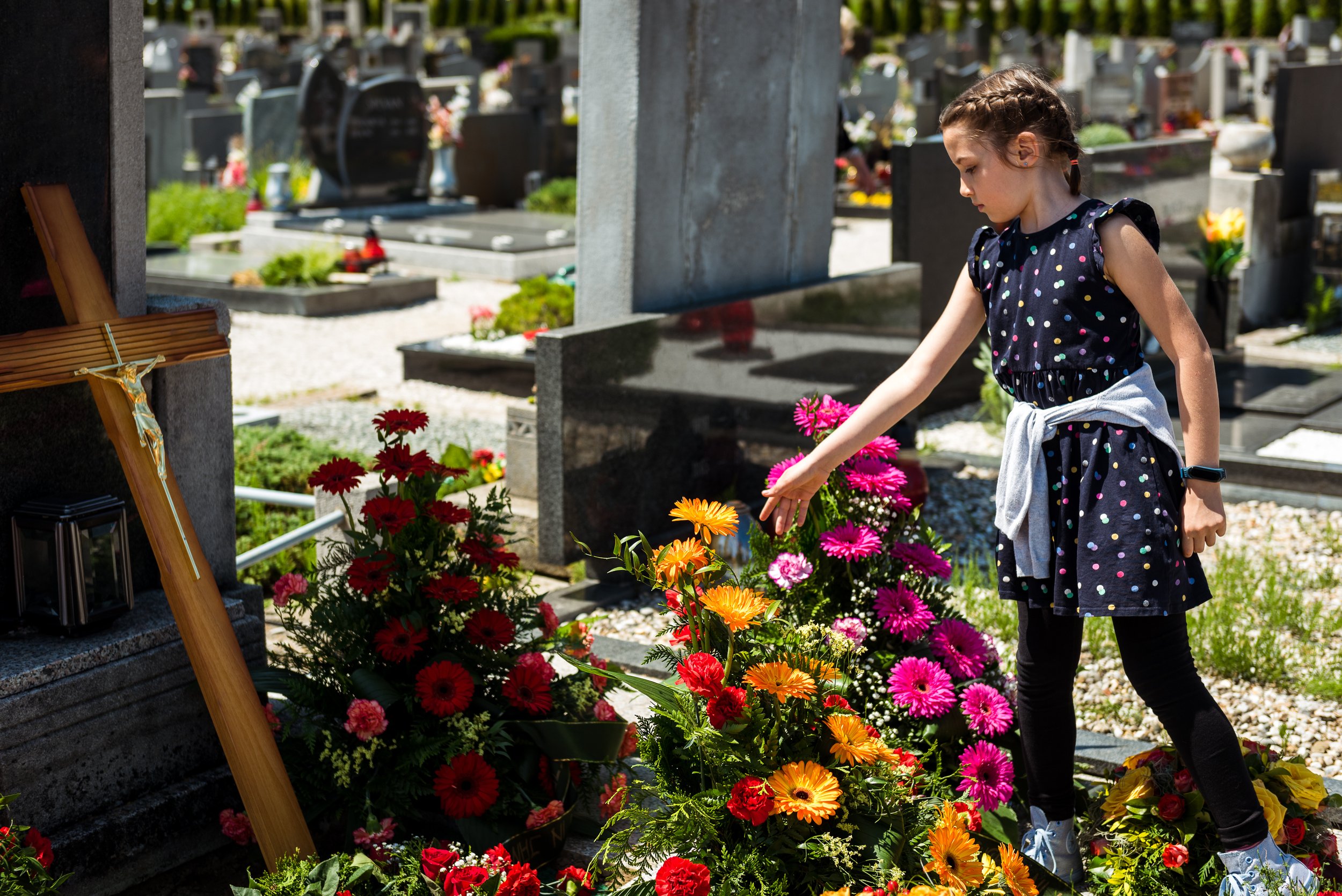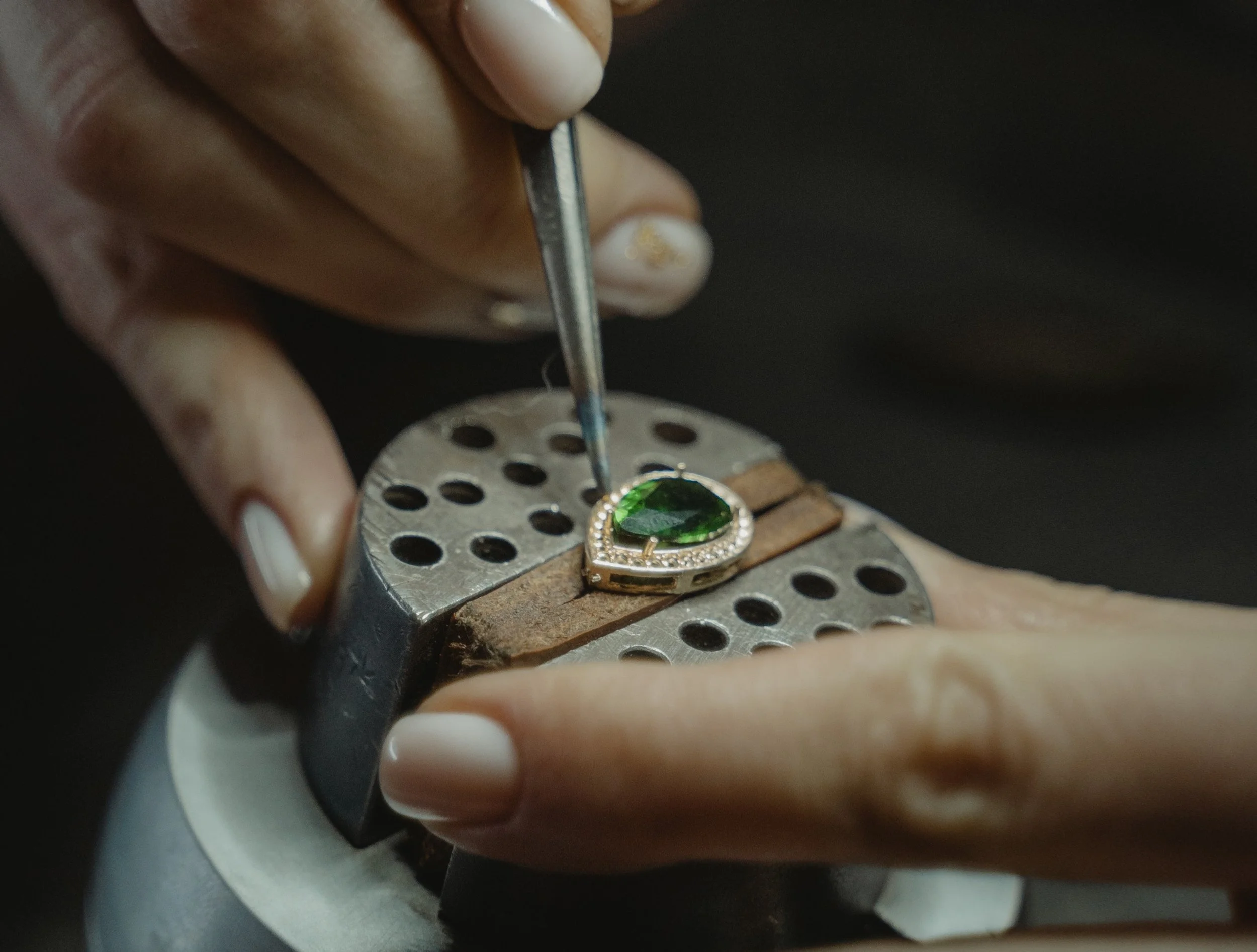
"Forever" is a boundless word, a heavy truth for a little heart to hold. As your own heart aches, you face a dual grief: mourning your parent while witnessing your child's first brush with loss—an empty space they can't yet understand. How do you explain an absence you can barely fathom yourself?
We understand the worry that comes with seeing a little heart ache, and we know it’s also tough for you. While this journey is difficult, you can support them by providing patience, open communication, and the enduring comfort of a tangible symbol of love, like a memorial diamond.
Understanding Children’s Grief at Different Ages
Supporting your children means remembering that everyone comprehends loss in its own tongue, especially for little hearts who face death for the first time. Age and spirit shape how they translate the word "gone." Their understanding isn't a straight line; it's a flickering light, taking shape in fits and starts.
Toddlers and Preschoolers (Ages 2-5): When Forever Feels Temporary
Young children live in the bright, immediate "now." Permanence is a foreign language. Your three-year-old might ask when Grandpa is coming home, again and again, as if waiting for a simple, delayed return.
What they might show:
Repeated questions about when Grandparent will return
Brief sadness followed by play, as if nothing happened
Confusion about why everyone seems upset
How you can help: Use simple, honest language. "Grandma's body stopped working, and she died. We won't see her anymore, but we can remember her." Avoid phrases like "went to sleep" or "went away"—these create anxiety around ordinary separations.
Be patient with repetition. They're not testing you—they're trying to understand something their brain isn't ready to hold.
Early Elementary (Ages 6-9): When Reality Starts to Sink In
Here, the first glimmers of permanence begin to dawn. They are beginning to understand that death is a door that doesn't open again, and this new knowledge can be frightening.
What they might show:
Intense curiosity about death and what happens after
Worry that other loved ones (including you) will die too
Difficulty concentrating at school
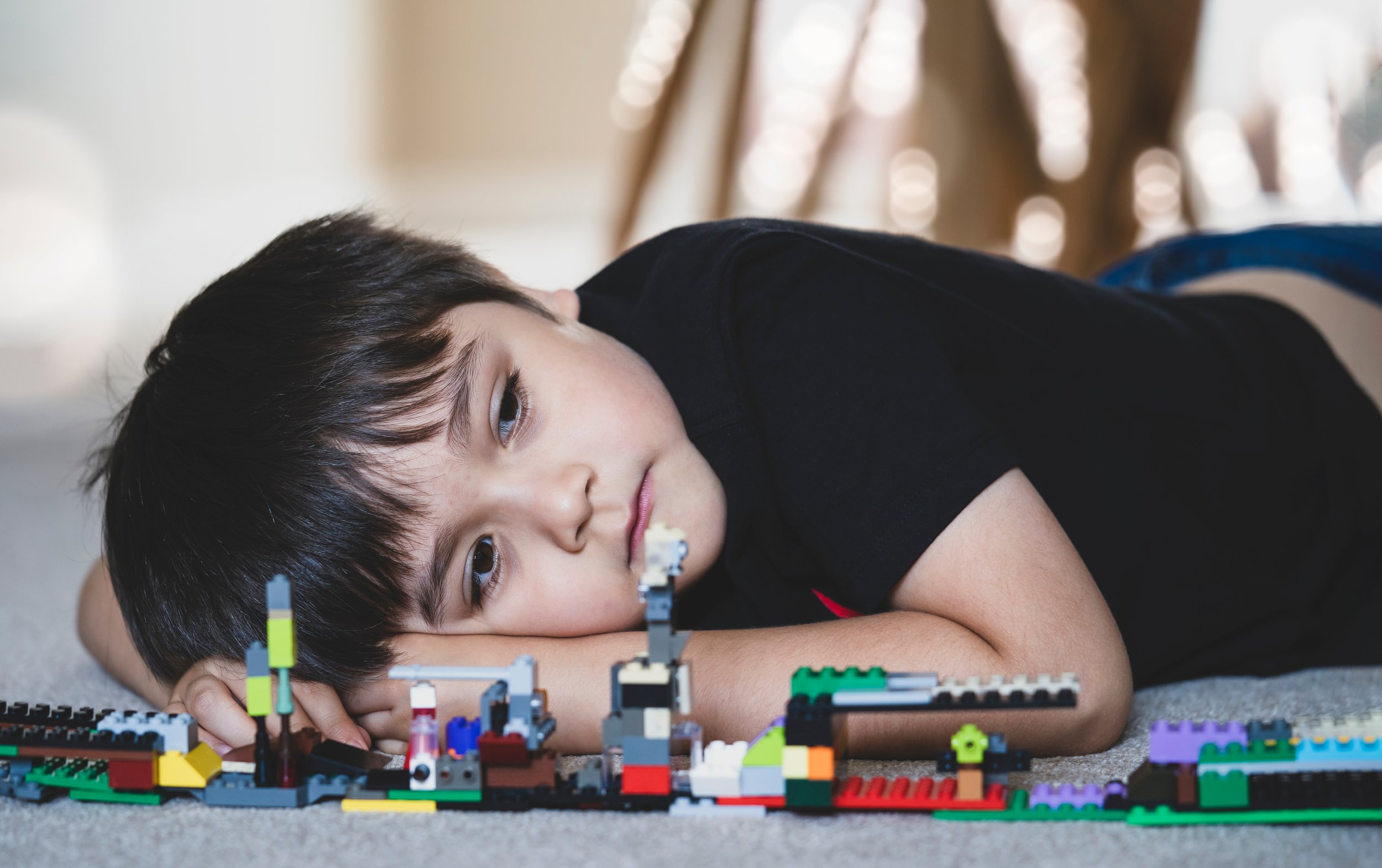
How you can help: Answer questions honestly, at their level. Don't shy away from their curiosity—it's how they make sense of the incomprehensible.
Reassure them about your health without making promises you can't keep. "Most people live for a very long time. I plan to be here with you for many, many years."
Watch for guilt. "Nothing you did or didn't do made this happen. Sometimes bodies just stop working when people get very old or sick."
Tweens and Teens (Ages 10+): When Grief Looks Like Anger
Older children grasp the stark intellect of death, but the logic offers no comfort. The finality doesn't make it easier—it often makes the heart heavier and more complex.
What they might show:
Withdrawal from family or friends
Anger or irritability, especially toward you
Reluctance to talk about feelings, even when clearly struggling
How you can help: Give them space, but stay available. "I know you might not want to talk right now. I'm here whenever you're ready."
Don't take their anger personally. Sometimes it's easier for them to be mad at you than to face crushing sadness.
Respect their privacy while gently checking in. They may open up in the car or during a walk—not during a scheduled "feelings talk."
When You're Grieving Too: Taking Care of Yourself
While you support your child, remember that this is a shared grief, a dual sorrow of mourning your parent while anchoring your child. You cannot pour comfort from a well that has run dry. Prioritizing your own quiet healing is not a luxury; it is the fundamental step in creating the steady foundation your child needs to safely grieve.

Let Children See Your Grief
Your children need to see the truth of your love, and grief is love's shadow. You don't have to hide all your tears. Letting them see your sorrow teaches them a profound, human lesson: "Grief is the echo of our love. Sadness is not a failing. We can feel hard things and survive them together."
You need a safe harbor. Someone to talk to who isn’t looking to you for answers. You must be held, too. Lean on friends, other family, a therapist, or a grief support group. Taking time for your own grief is not selfish. It is how you refill the well. You deserve comfort, too.
Build Your Own Support
You need someone to talk to—someone who isn’t looking to you for answers. You are allowed to be vulnerable. Lean on friends, other family, a therapist, or a grief support group. Taking time for your own grief doesn't make you selfish. It makes you a more grounded, present parent. You deserve comfort, too.
Something to Hold When Words Aren't Enough
There are moments when your child's grief feels too big for words, too heavy for their small shoulders to bear. In these hollows, language fails. Having something tangible becomes a lifeline—something real to anchor them when missing their grandparent feels like drifting in an endless sea.
Creating Rituals and Memories Together
Children need to hold their memories in their hands. Abstract concepts are like mist; they slip through their fingers. Memories woven through action and physical connection are what become solid, providing enduring comfort.

Curate a Special Memory Box: Guide your child to decorate a dedicated box. Fill it with things that retain the Grandparent’s essence: a treasured photo, a favorite small object, or even a small written note.
Establish a Living Memorial Space: Plant a special flower, shrub, or tree in a dedicated pot or spot in the garden that you tend together. When you water it, you are actively caring for their Grandparent’s memory. You can say: "This is Grandpa's flower. We'll watch it grow and take care of it, and it reminds us that love continues."
Offer a Tangible Memorial Jewelry: Give your child a piece of memorial jewelry, a practice rich in cultural meaning dating back centuries. This classical tradition—of wearing a locket or ring to keep a loved one close—provides a constant, physical anchor they can wear and touch, transforming the abstract idea of eternal love into a solid, enduring comfort.
Memorial Diamonds: A Keepsake That Grows With Your Child

While the traditions of memory boxes, living memorials, and inherited jewelry offer beautiful and necessary comfort, some families seek a truly unique and permanent way to solidify their love. This is where the Memorial Diamond comes into profound focus.
Cremation diamonds are genuine diamonds; through a specialized scientific process, the carbon elements from the remains (ashes/hair) are purified and crystallized under immense heat and pressure. This meticulous process (ashes to diamonds) crafts you with a truly unique memorial diamond, which directly comes from the life of your beloved, creating an enduring connection your child and you can hold onto forever.
The Enduring Benefit of a Memorial Diamond
The Parent's Anchor: Picture the memorial diamond resting safely on your bedside table—a silent, physical reminder of your parent's enduring presence. When your child sees you touch the stone and take a deep breath, they learn a vital lesson: holding on in a new, tangible way is part of healing.
The Child's Quiet Conversation: Imagine your child curled up, gently rubbing the smooth stone. They lean close, perhaps whispering a secret they wish they could tell their grandparent. In that moment of tactile connection, the memorial diamond's weight provides a solid, comforting truth: love is still present.
A Bridge Across Generations: Decades from now, imagine your adult child opening the velvet box for their own children. "This," they explain, "was your great-grandparent, whose love became this beautiful diamond." It becomes a physical bridge, allowing a future generation to literally touch a cherished piece of family history.

Love That Lasts
Your child will carry this loss, but they will not carry it alone. They will also carry the love, the comfort, the stories, and the enduring light their grandparent gave them.
You are doing something impossibly brave—holding your own fractured heart while tending to theirs. Your presence is a balm. Your willingness to sit with them in the shadow matters more than any strategy.
One day, your child will shepherd someone else through loss. They'll know how to sit with hard feelings. They’ll know that love transforms but never, ever ends. Because you showed them. Because you walked beside them in the twilight.
And that is everything.