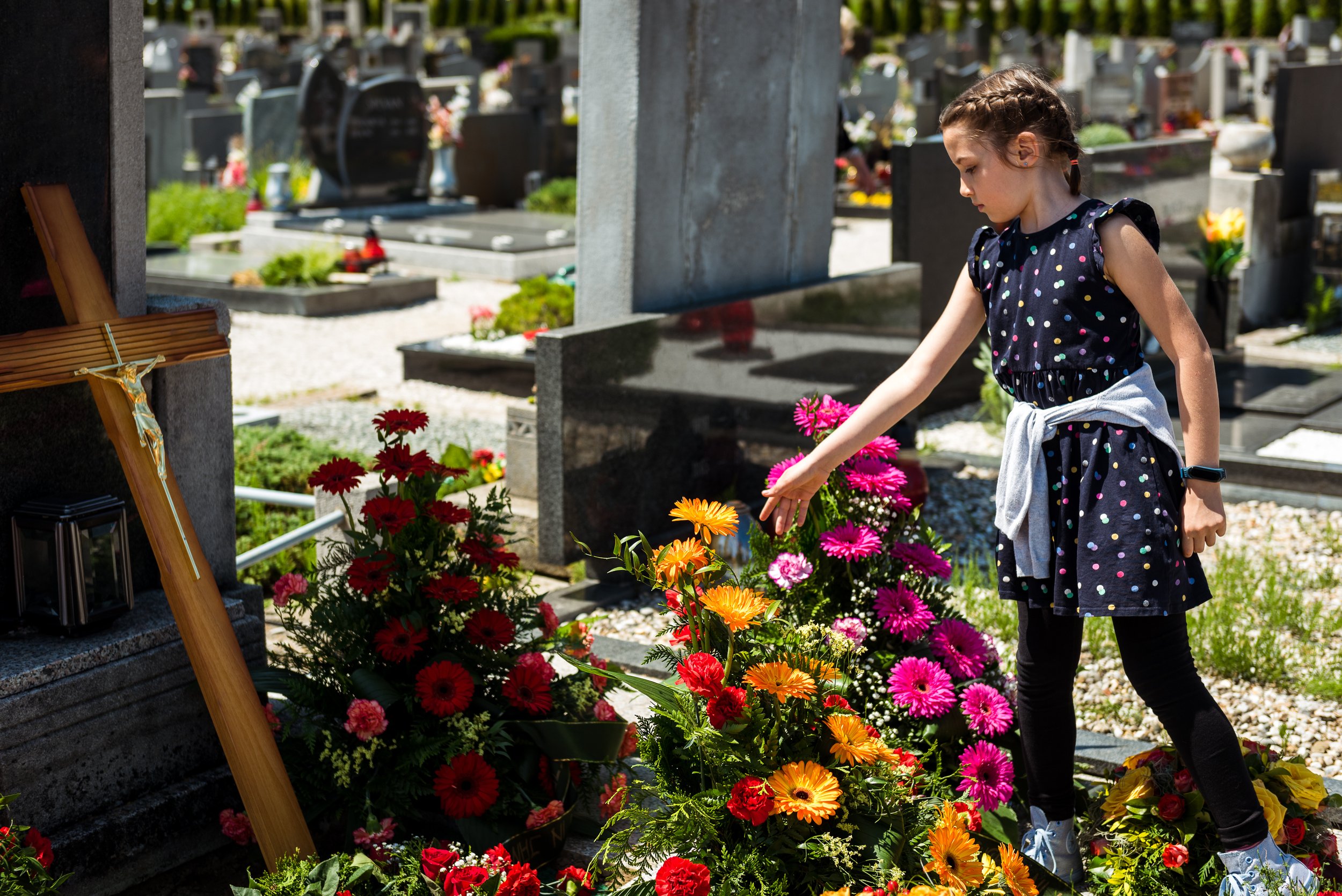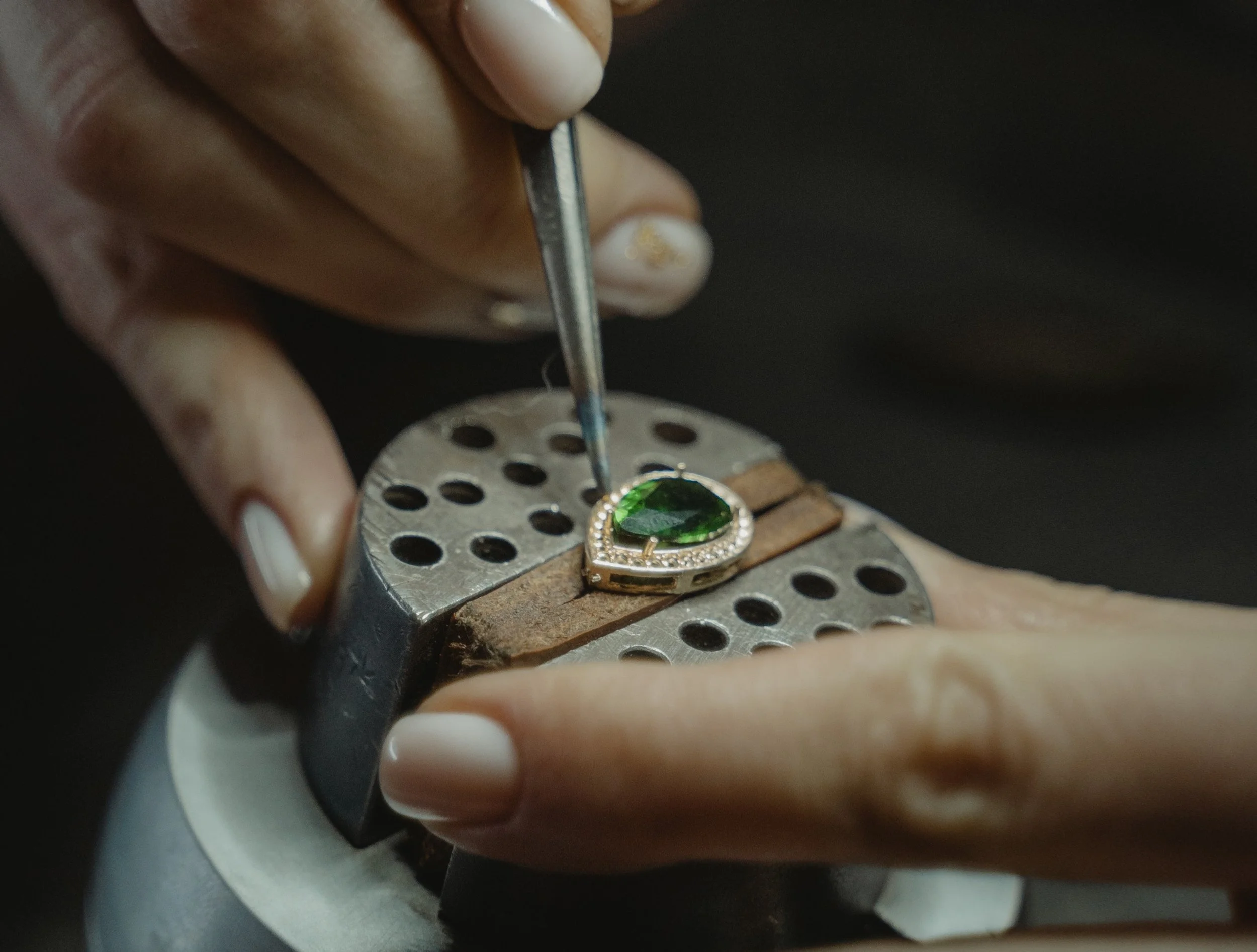
Mother's Day Grief When Someone Is Missing: For Every Kind of Grief You Might Be Carrying
By Nina H., writer at EverDear.
It starts weeks before the actual day. The emails arrive first. "Treat Mom to something special." "She deserves the world." Then the store displays go up. Pink cards, flowers, and matching pajama sets. Social media fills with countdowns and gift guides and throwback photos captioned with heart emojis.
For millions of people, Mother's Day is a celebration. But for millions of others, it’s one of the most painful days on the calendar. If you are carrying any kind of grief this Mother's Day, the world can feel unbearably loud while your pain stays completely silent.
This is Mother’s Day grief, and it can take many forms. Find yours below, or start wherever you feel drawn.
In this article:
Ideas That Help You Cope with Mother’s Day Grief
Mother’s Day Grief After Losing Your Mom
Mother’s Day Grief After Losing a Child
Facing a Difficult Relationship on Mother’s Day
Mother's Day Reminds You of Infertility or Miscarriage
How to Help a Child Get Through Mother's Day Without Their Mom

How to Cope With Grief on Mother's Day: Ideas That Actually Help
There is no universal prescription for surviving Mother's Day while grieving. But here are a few things that might help, and they go beyond the usual advice of lighting a candle or writing in a journal.
No matter which grief you carry:
Share your feelings with someone before the day arrives. You don’t need to explain or justify. Just letting one trusted person know that this day is hard for you can make the difference between feeling invisible and feeling held.
Leave the house before the internet wakes up. Go somewhere early, before the flood of social media posts begins. A walk at sunrise. A drive with no destination. Give yourself a head start on the day before the noise finds you.
Allow yourself to opt out. Skip the family gathering if it's too painful. Stay off social media. You don’t owe anyone a display of happiness.
Consider a tangible way to keep them close. For many grieving families, having something physical to hold onto brings a comfort that words and memories alone cannot. Some people wear a piece of their loved one's clothing. Others keep a small keepsake urn on a nightstand. Some families choose to create a memorial diamond from their loved one's ashes or hair, something they can carry with them every day. Whatever form it takes, a physical reminder can be a quiet anchor when the grief feels untethered.
Be patient with yourself in the aftermath. The day after Mother's Day is often harder than the day itself. The world moves on immediately. Your grief does not. Keep your Monday as empty as possible. Say no to the early meeting. Let the laundry wait. If someone asks how your weekend was, you can simply say "it was quiet" and leave it there.
Mother's Day Grief After Losing Your Mom or a Mother Figure
This is the grief that people most readily understand, and yet it can still feel incredibly isolating, especially in those first few years.
Mother's Day without your mom is not just one day of sadness. It’s the slow, building awareness in the weeks before. It’s walking through a gift store and instinctively reaching for an item before remembering there’s no one to send it to. It’s the empty chair in the sunny backyard. It’s the phone call that won’t be picked up.

If this is your first Mother's Day without her, please know that there’s no correct way to spend it. You don’t have to be brave. You don’t have to gather the family and celebrate her memory if you are not ready. Stay home if you need to. Cry in the car if that’s where it hits you. Feel angry that everyone else still has what you have lost. None of that makes you weak. It makes you human.
And if this is your fifth, tenth, or twentieth Mother's Day without her, no one gets to tell you it should be easier by now. There’s no statute of limitations on missing your mom. The grief may change shape over the years, but it doesn’t expire, nor does the love.
Of course, the person who mothered you may not have been your biological mother. Maybe it was a grandmother who raised you, an aunt who stepped in, a foster mother who chose you, or a mentor who shaped you in ways your own mother never could. The bond was just as real. The loss is just as heavy.
What makes this grief especially hard is that the world doesn't always give you the same space for it. Mother's Day cards are not made for grandmothers who raised grandchildren. Sympathy doesn't flow as freely when the relationship doesn't fit a traditional label. People might not think to check on you, because they don't realize what you lost.
But your grief counts. The woman who mothered you, by whatever name and in whatever form, deserves to be honored. How you choose to honor her is entirely up to you.
Some people find that the day feels lighter when they fill it with intention rather than leaving it empty. Others prefer to let it pass with no plans at all. Both are okay. The only thing that matters is that you are gentle with yourself.
If you are looking for a small way to feel close to her, here are a few ideas that other people in your shoes have found meaningful:
Wear their perfume. Replay a saved voicemail. Put on their old sweater. Scent, sound, and touch are the fastest ways back to someone. You don’t need a special occasion to reach for them. Mother's Day morning is as good a reason as any.
Make their recipe but change one ingredient. It becomes something that is both theirs and yours. A way of carrying them forward rather than only looking back.
Tell someone who has never met them one small story. Not their whole life. Just one specific, human moment. The way they laughed. The thing they always said when they picked up the phone. Keeping their voice alive in someone new is its own kind of memorial.
Mother's Day as a Bereaved Mother
Mother's Day, when you are a bereaved mother, is a uniquely cruel contradiction. The world celebrates motherhood, while you carry a version of it that nobody wants to acknowledge.
Whether your child lived for decades or for days or never took a breath outside of you, you are still a mother. Mother's Day belongs to you, too, even when it doesn’t feel that way.
For mothers who have experienced stillbirth or infant loss, this day can feel especially invisible. Your grief may not have a long history of photos and memories to share. You might feel like you don’t have "enough" to mourn publicly. But the absence of a long life doesn’t diminish the enormity of the love. You carried that life. That is motherhood.
If you are a bereaved mother who is also raising living children, you know the impossible split this day creates. Your children want to celebrate you. You want to be present for them. But a part of your heart is somewhere else. Holding both of those truths at the same time is one of the most exhausting things a person can do. Give yourself permission to feel the joy and the grief side by side without judging either one.
When you feel ready, even in a small way, you might want to spend a little time with your child's memory on your own terms:
If they had a favorite book, read it. If they had a name but never came home, write it somewhere only you will see. These small, private acts of remembering are not trivial. They are mothering.
If you carried them but never held them, give that love somewhere to go. Donate to a neonatal unit in their name. Pack a care box for a NICU family. Fold a tiny blanket for a shelter. Your mothering instinct doesn’t disappear because they did. Let it flow somewhere it’s needed.

When Mother's Day Grief Is Complicated by a Difficult Relationship
Not every mother-daughter relationship is warm. Some of us lost mothers who were difficult, absent, or harmful. Some of us are estranged from mothers who are still living.
When your grief doesn’t fit the narrative, this day becomes something you survive rather than celebrate. You might feel sadness and relief at the same time. You might grieve not the mother you had but the mother you wished you had. You might feel guilty for not missing her the way other people miss theirs.
All of that is valid. Complicated relationships produce complicated grief. You don’t have to pretend that the pain doesn’t exist. Both things can be true. She was your mother, and it was hard.
And if you are a mother whose child has pulled away, the holiday carries a different kind of grief. You watch other mothers receive cards and phone calls while yours stays silent. The questions circle endlessly. Where did things go wrong? Is the distance your fault? Will reaching out make things better or worse?
Mother's Day can feel like a report card on a relationship you don’t know how to fix. But your motherhood isn’t measured by a brunch invitation or a bouquet. You loved your child the best way you knew how, even if that love didn’t land the way you intended. Sitting with that truth, without defending it or drowning in guilt, is another form of courage.
If any of this resonates, these are some things that have helped others navigate the same complicated feelings:
Write down what you needed to hear from her but never did. Not as a letter to her. As a letter to yourself. Put into words the approval, the apology, or the softness she never gave you. Then read it back to yourself out loud. Sometimes the words you needed can still reach you, even if they come in your own voice.
Or spend the day with a woman who mothered you well. An aunt, a teacher, a friend's mom who always set a plate for you. Mother's Day doesn’t have to be about the mother you lost. It can be about the mothering you received, wherever it came from.

Mother’s Day Grief After Infertility or Miscarriage
For some people, the pain of Mother's Day is not about death at all. It’s about the motherhood that never came.
If you have experienced infertility, failed treatments, or the decision to stop trying, Mother's Day can feel like an annual reminder of something that was taken from you. Every cheerful ad and every "happy Mother's Day to all the amazing moms" post can land like a small, sharp reminder of the gap between your life and the one you pictured.
Miscarriage carries its own particular silence. You might be holding a grief that nobody around you even knows about. Maybe you never told anyone, or maybe you did, and everyone around you moved on faster than you could. Either way, that loss is real, and it doesn’t come with an expiration date.
You are allowed to grieve the life you imagined, feel the full weight of it on this particular day, or set it down for a few hours if that's what you need.
This type of grief doesn't always respond well to reflection or ritual. Here are some things that others walking this road have found helpful:
Protect yourself without apology. If Mother's Day reminds you of a motherhood that did not happen, you have every right to step away entirely. Unfollow. Mute. Close the app. Do something that has absolutely nothing to do with motherhood. Drive somewhere you have never been. Start a puzzle. Binge a series you have been putting off. Reorganize a room. Swim. Run. Bake something ridiculous. Fill the day with things that belong to you and only you. You are not avoiding grief. You are permitting yourself to exist outside of it for a few hours.
If you have a partner, let them in. Grief around infertility and miscarriage can be isolating even within a relationship. You may each be carrying it differently, or one of you may have moved forward while the other hasn't. Mother's Day has a way of surfacing that distance. If you can, talk about how you each want to handle the day before it arrives. Even a short, honest conversation the night before can keep you from spending Sunday on opposite sides of the same sadness.
Acknowledge what existed, even briefly. If you experienced a miscarriage, you carried a life. That matters, even if no one else marked it. If you have the capacity, you might give that loss a private moment on Mother's Day. Write a few lines in a notebook. Say their name if they had one. Sit somewhere quiet and let yourself feel it without rushing to the next thing. You don’t need anyone's validation to call that motherhood.

When a Child Is Facing Mother's Day Without Their Mom
If you are reading this, you’re likely the grown‑up trying to help a child who lost their mother. Maybe you’re the surviving parent, a grandparent, an aunt, or a stepparent. Whatever your role, the fact that you’re looking for ways to help matters.
Mother’s Day activities at school can be especially hard. Card‑making, poems, and classroom tributes assume every child has a living mother to honor. If your child is young, reach out to their teacher a week or two before the day. Most educators will adapt activities once they know, but many won’t think to ask.
For older children and teenagers, the difficulty is different. They may not want to talk about it at all. They may be angry, quiet, or suddenly emotional in a way that catches everyone off guard. Mother's Day on social media hits teenagers especially hard. Everyone around them is posting tributes to living mothers, while they are carrying a loss they may not have the language for yet.
Here are a few things that can help, depending on the child's age and temperament:
Let them decide how the day goes. Ask them, genuinely, what they want to do. Some children want to visit a grave or look through photos. Others want to pretend the day doesn’t exist. Some want both at different hours. There’s no wrong answer, and giving them the choice tells them their feelings matter.
Talk about her. One of the deepest fears a child has after losing a mother is that people will stop saying her name. Bring her up naturally. "Your mom used to love this song." "She would have laughed at that." You are not reminding them of their loss. They have not forgotten. You are reminding them that she’s still part of the family's story.
Help them create something if they want to. Not every child will want this, but some find comfort in doing rather than sitting. They might plant something in the garden, bake her favorite recipe with your help, or put together a small box of things that remind them of her. If they lose interest halfway through, that’s fine too.
Watch for the quiet moments afterward. Children don’t always grieve on schedule. Your child might seem fine on Mother's Day and fall apart on Monday. They might not connect their mood to the holiday at all. Stay close in the days that follow. Keep bedtime a little longer. Ask open questions. "How are you feeling about this week?" lands better than "Are you sad about Mother's Day?"

What to Say to Someone Grieving on Mother’s Day
Don't wait for them to bring it up. Most grieving people won't. A text the week before that says, "I know Sunday might be hard. I am here if you need me," means more than you realize. You don't need the perfect words. You just need to show up before they have to ask.
Follow their lead on the day itself. Some people will want company. Others will want space. Ask, and then respect the answer.
Remember them after the day is over. The Tuesday after Mother's Day, when everyone else has moved on, send a quick message. "Still thinking of you." Those four words can carry someone through an entire week.
Questions People Often Ask About Mother's Day and Grief
Is it normal to dread Mother's Day after a loss?
Completely. Mother's Day is one of the most emotionally loaded days of the year for anyone who is grieving. The buildup is often just as hard as the day itself, sometimes harder. If you are dreading it, you are not alone, and you are not broken.
How do you honor a deceased mother on Mother's Day?
There is no single right way. Some people wear something of hers, visit a meaningful place, or cook a recipe she loved. Others prefer to spend the day quietly. Some families create a memorial diamond from their mother's ashes or hair as a way to carry her with them every day, not just on Mother's Day.
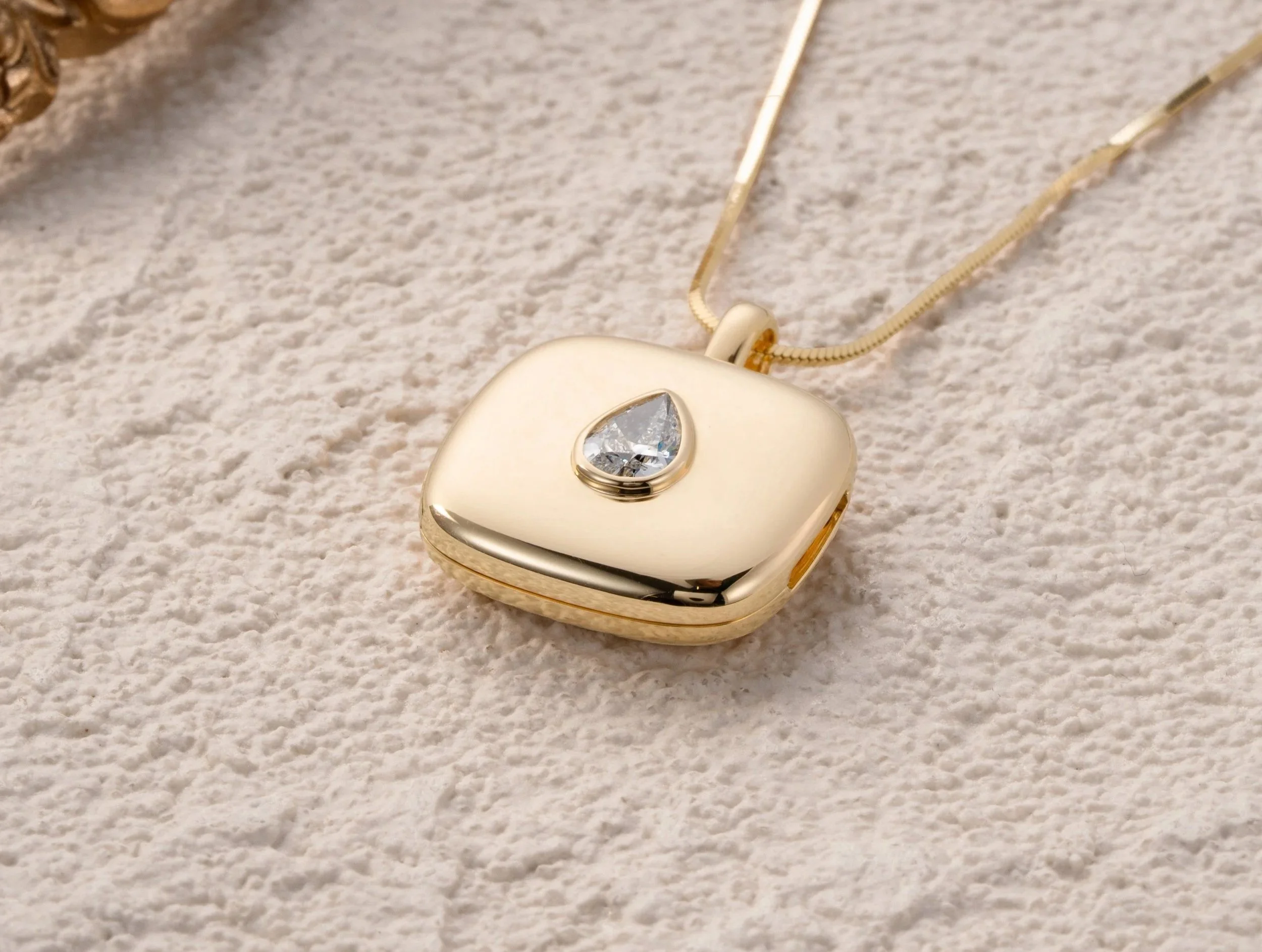
The EverDear Memorial Diamond Locket in 14K yellow gold, with a pear-cut diamond made from the carbon of someone you love
What should you say to someone grieving on Mother's Day?
Keep it simple and honest. Something like "I know today might be hard. I am thinking of you" means more than a long speech. Avoid saying "she is in a better place" or "at least you have your memories." Just acknowledge the pain. That is enough.
Is it okay to skip Mother's Day celebrations if you are grieving?
Yes. You don’t owe anyone a performance of happiness. A simple message the night before saying "I am not up for it this year, but I love you" is enough.

You Are Not Alone in This
You are not the only one fearing this day. Behind every smiling photo on social media, there are people quietly carrying the same weight you are, feeling exactly what you feel.
Your grief is valid, and so is your love. The person you are missing today wouldn’t want you to suffer through this alone.
If you need support, these resources are here for you:
US: National Alliance for Grieving Children (childrengrieve.org) | MISS Foundation (missfoundation.org) | Option B (optionb.org)
UK: Cruse Bereavement Support (cruse.org.uk) | Sands stillbirth and neonatal death charity (sands.org.uk)
AU: Australian Centre for Grief and Bereavement (grief.org.au) | Bears of Hope (bearsofhope.org.au)
CA: The Compassionate Friends Canada (tcfcanada.net) | Bereaved Families of Ontario (bereavedfamilies.net)
If you ever want to explore ways to keep someone close to you, not just on Mother's Day but every day, we are here whenever you are ready. At Everdear, we create memorial diamonds from ashes or hair with a careful, research-based process that turns carbon into a lasting gem. You can read more about how memorial diamonds are crafted, or send us a message when it feels right. No rush. No pressure. Just people who understand this kind of love and loss.