“The Box on the Shelf”: Why So Many Families Wait and Why That Is Okay
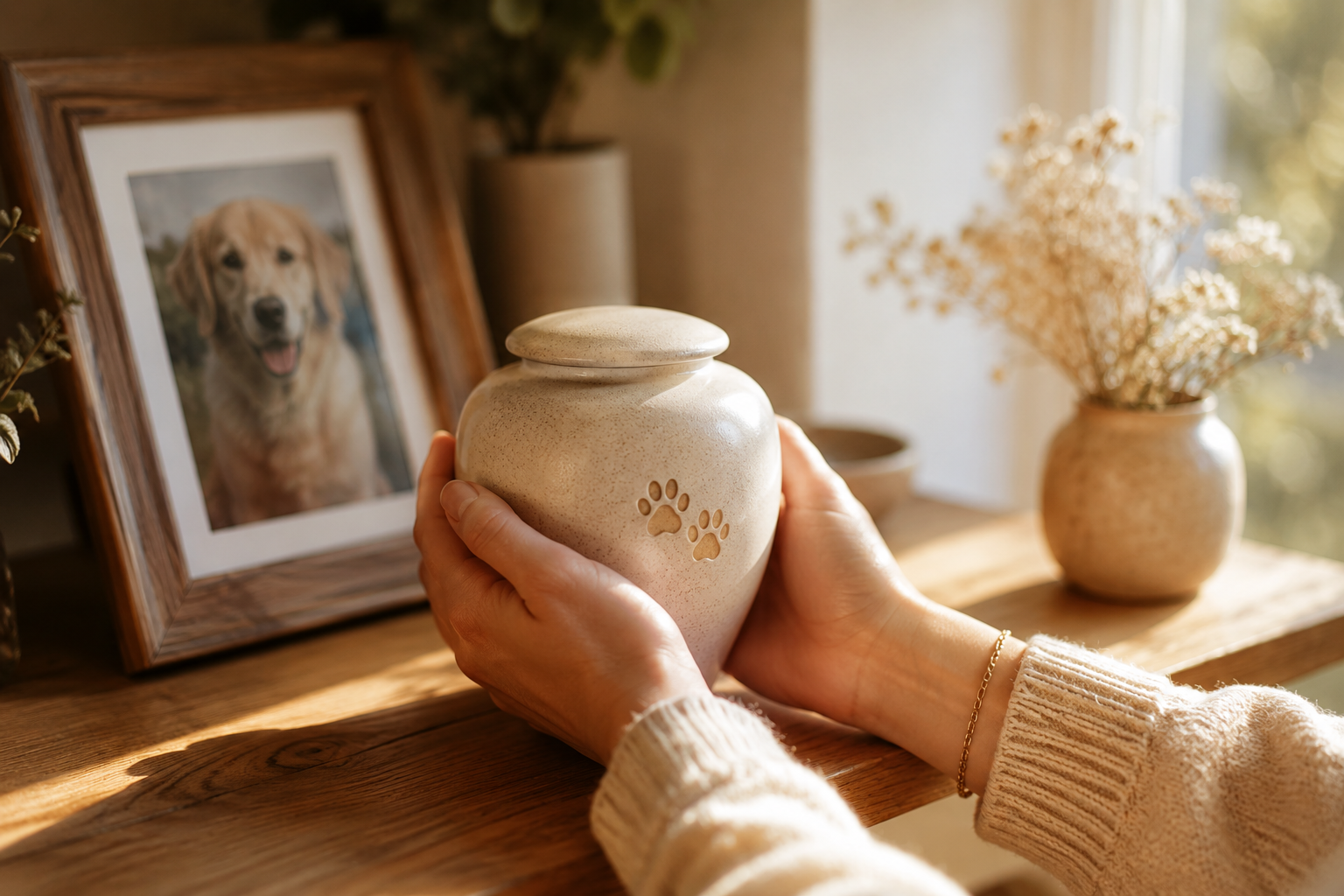
The day you bring them home is usually a quiet one. The chaotic blur of the funeral planning has finally settled. The paperwork is signed. The house feels unusually still. You walk through the front door holding a surprisingly weighty, unassuming container.
You might place it on the living room mantelpiece, set it on a high hallway shelf, or tuck it in the back of a bedroom closet because seeing it right now is just too difficult.

You take a deep breath. You tell yourself that you will figure out the next steps soon.
Then days turn into weeks, and weeks blend into months. The seasons change outside your window, yet the urn remains exactly where you placed it.
Every time you dust the shelf or reach for a coat, you see it. Sometimes seeing it brings a wave of comfort. Other times, it brings a quiet pang of guilt.
You wonder if you are failing them by leaving them there. You find yourself quietly typing "what to do with cremation ashes" into a search engine late at night, hoping for a sudden spark of inspiration.
If this sounds familiar, please take a deep breath and let your shoulders drop. You are not failing. You are not forgetting them. You are simply grieving.
Keeping that urn on the shelf is one of the most common, unspoken experiences that families share after a loss. It’s completely normal.
The Weight of Grief and the Choices That Follow
When someone we love passes away, society expects us to make dozens of significant decisions within a matter of days. We choose funeral homes, write obituaries, select flowers, notify relatives, and manage estates. By the time you receive the cremated remains, your brain and your heart are entirely exhausted.
This is a psychological response known as decision fatigue. Your mind, already heavy with grief, literally needs a break. The thought of making one more permanent choice feels impossible, so you place the urn on the shelf.
This is not procrastination. This is your mind asking for a moment of rest.
Grief requires an immense amount of physical and emotional energy. Your primary job right now is simply to wake up and get through the day. The urn will wait patiently while you heal.

The Fear of Doing the Wrong Thing
Another profoundly human reason we wait is the fear of making a mistake. Making a final decision about a person’s remains feels daunting.
Perhaps you consider scattering the ashes at their favorite beach. But then a thought stops you. What if you move to another state or country and feel disconnected from them? What if you choose an expensive urn, but it doesn’t quite capture their personality? What if you divide the ashes among siblings and someone feels left out?
These questions circle in our minds and create a sense of paralysis. We put enormous pressure on ourselves to find a choice that honors their life, reflects their personality, and brings comfort to everyone left behind. That is a very tall order for a single decision, and the perfect answer doesn’t have to exist today.
Navigating Complicated Relationships
Not all relationships are simple.
Sometimes we lose someone with whom we had a strained or complicated relationship. When this happens, the grieving process is deeply confusing. You might feel a mixture of deep sorrow, unresolved anger, profound relief, and lingering guilt.
When your feelings are tangled, deciding on a final resting place is incredibly hard. You might not want to create a highly visible memorial in your living room, but you also might not feel ready to scatter them.
Taking your time is a healthy boundary. You are allowed to let the urn sit in a closet while you work through your emotions. There is absolutely no rush to create a perfect memorial when the relationship itself was not perfect. Give yourself the grace to figure it out at your own pace.

There Is No Expiration Date
Sometimes, well-meaning friends or relatives will ask about your plans. They usually inquire because they care, but these questions can accidentally create pressure. You may feel like you are doing grief incorrectly if you don’t have an answer.
You have total permission to say you are taking your time. You do not owe anyone a timeline.
And if a part of you worries that waiting too long might somehow limit your options, here is something that may put your mind at ease. Cremated remains are sterile and chemically stable. They do not deteriorate or change over time. Ashes stored properly today will be exactly the same ten or twenty years from now. The same goes for hair. A lock of hair kept in a clean, dry place does not break down. The carbon and proteins within it remain fully intact for years.
Nothing is lost by taking your time. Not your options, and certainly not your love.
Reimagining the Final Decision
When families finally feel ready to take the urn down from the shelf, they often hit another wall. They feel an immense pressure to find one single, perfect resting place. We are culturally conditioned to believe that we must make one grand, final choice for all the cremation ashes.
That pressure is exactly what keeps so many people frozen. But what if the best way to move forward is to completely change how you look at the decision?
Here are a few gentle shifts in perspective that have helped other families finally feel unstuck.
You Don’t Have to Choose All or Nothing
The biggest fear associated with scattering ashes is the permanence of it. Many people love the idea of returning their loved one to a beautiful forest or ocean, but they panic at the thought of having nothing left to hold onto.
The most liberating realization is that you don’t have to scatter everything. Many families find deep peace in releasing the majority of the remains into nature while keeping a tiny portion close to them. Removing the all-or-nothing rule often makes the decision feel instantly lighter.

Consider Rooted vs. Portable Memorials
Sometimes we get stuck because we are trying to plan for a future we cannot predict. If you plant a memorial tree, what happens if you move houses five years from now? If you scatter them in a specific national park, what happens if you are eventually too old to travel there?
It helps to ask yourself if you need a rooted memorial or a portable one. Rooted memorials give you a beautiful, specific destination to visit. But if the thought of leaving that place behind brings you anxiety, you might need something that travels with you.
Bringing Them Into Your Daily Life
This desire for a portable, physical connection is exactly why so many families eventually find their way to memorial diamonds.
If you are learning about this option for the first time, the concept is beautifully simple. Every human being is made of carbon. When a person is cremated, a small amount of that carbon remains in their ashes. It’s also present in their hair.
At EverDear, we gently extract that specific carbon from the ashes or hair you send to us. Inside our lab, we place it into a specialized environment that recreates the exact extreme heat and intense pressure found deep inside the Earth.
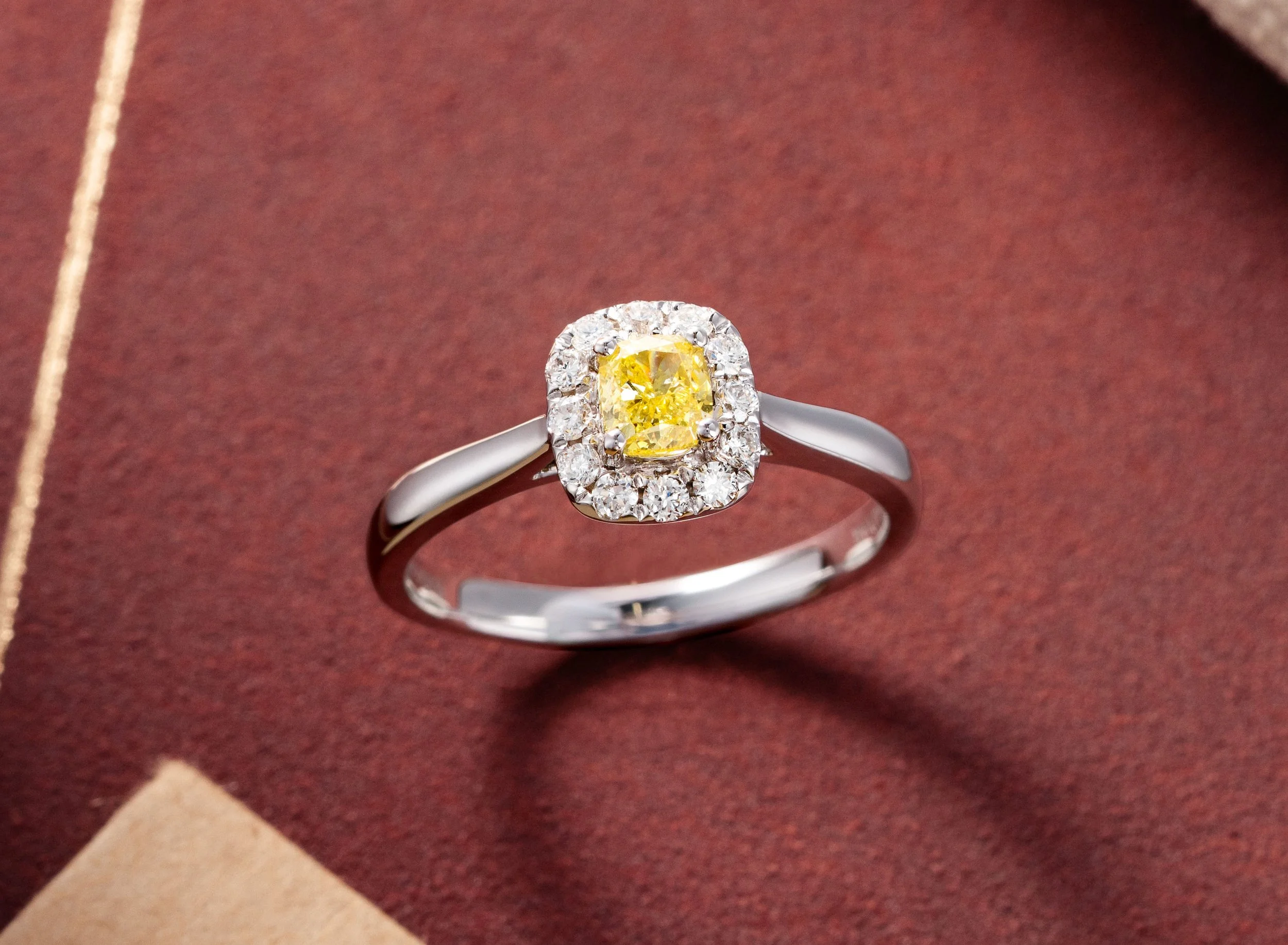
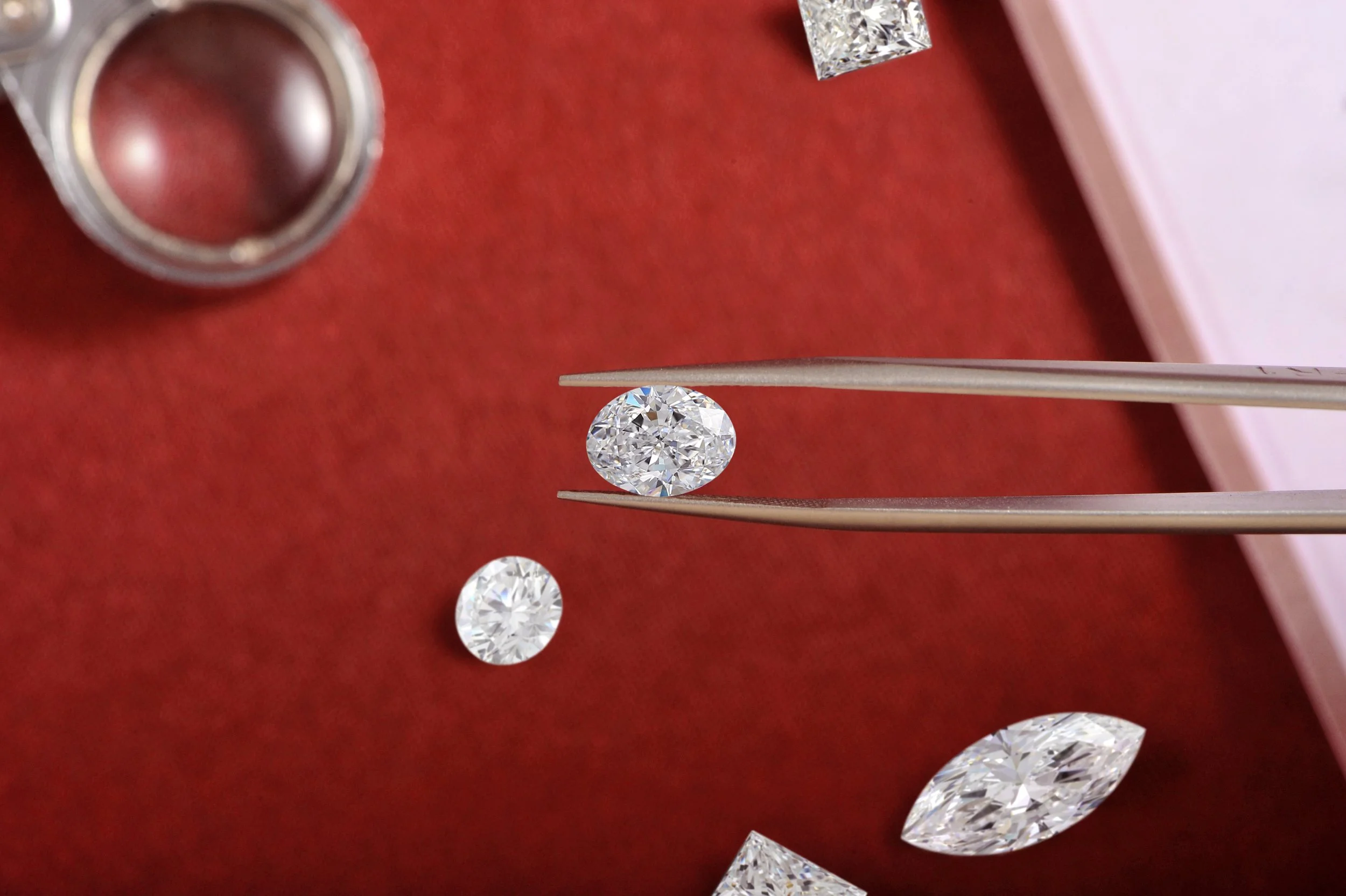
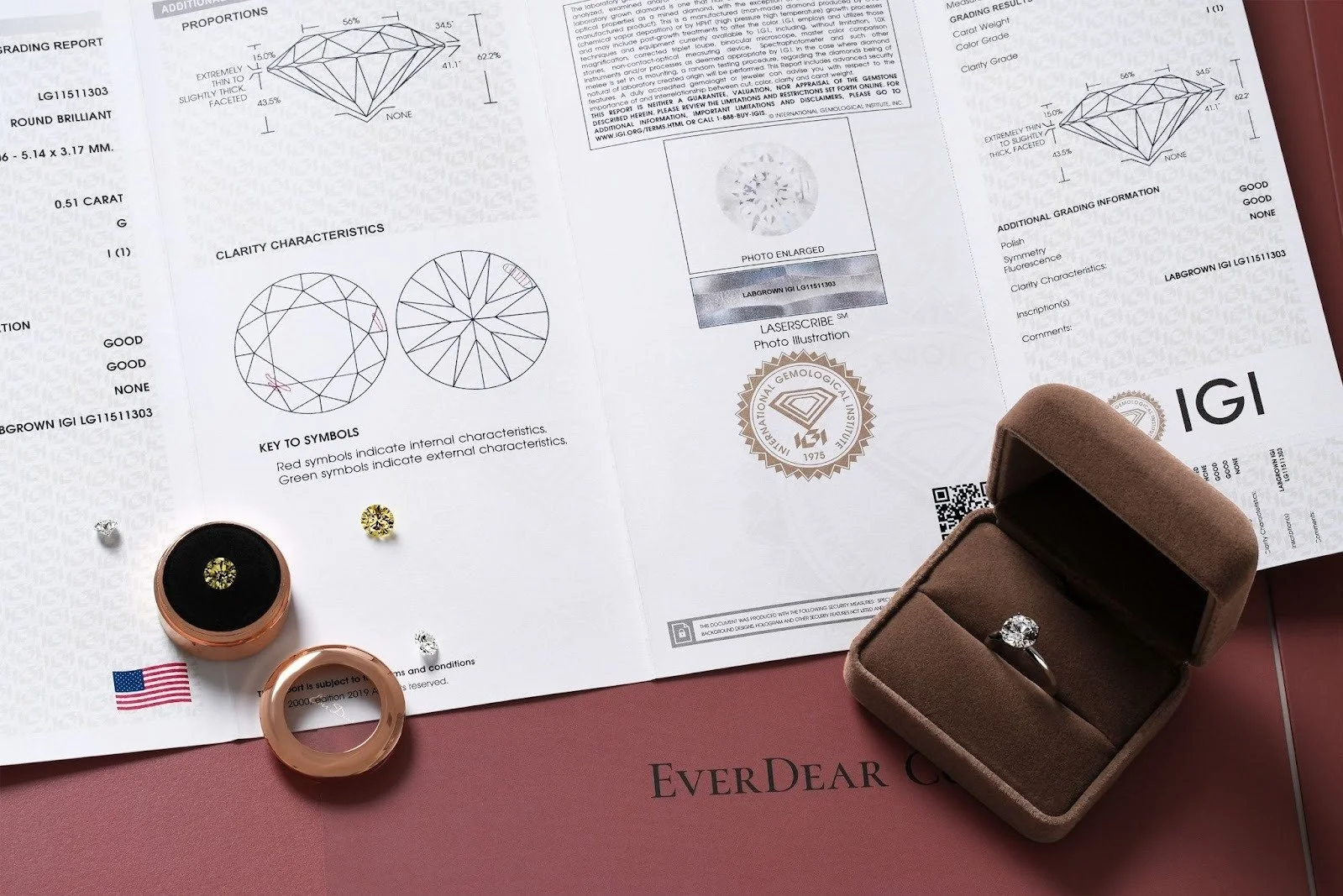
Over time, this environment encourages the carbon to grow into a genuine, physical diamond. It’s not a synthetic imitation or a glass keepsake. It has the optical and physical properties identical to a natural diamond, but it’s grown entirely from the essence of the person you loved.
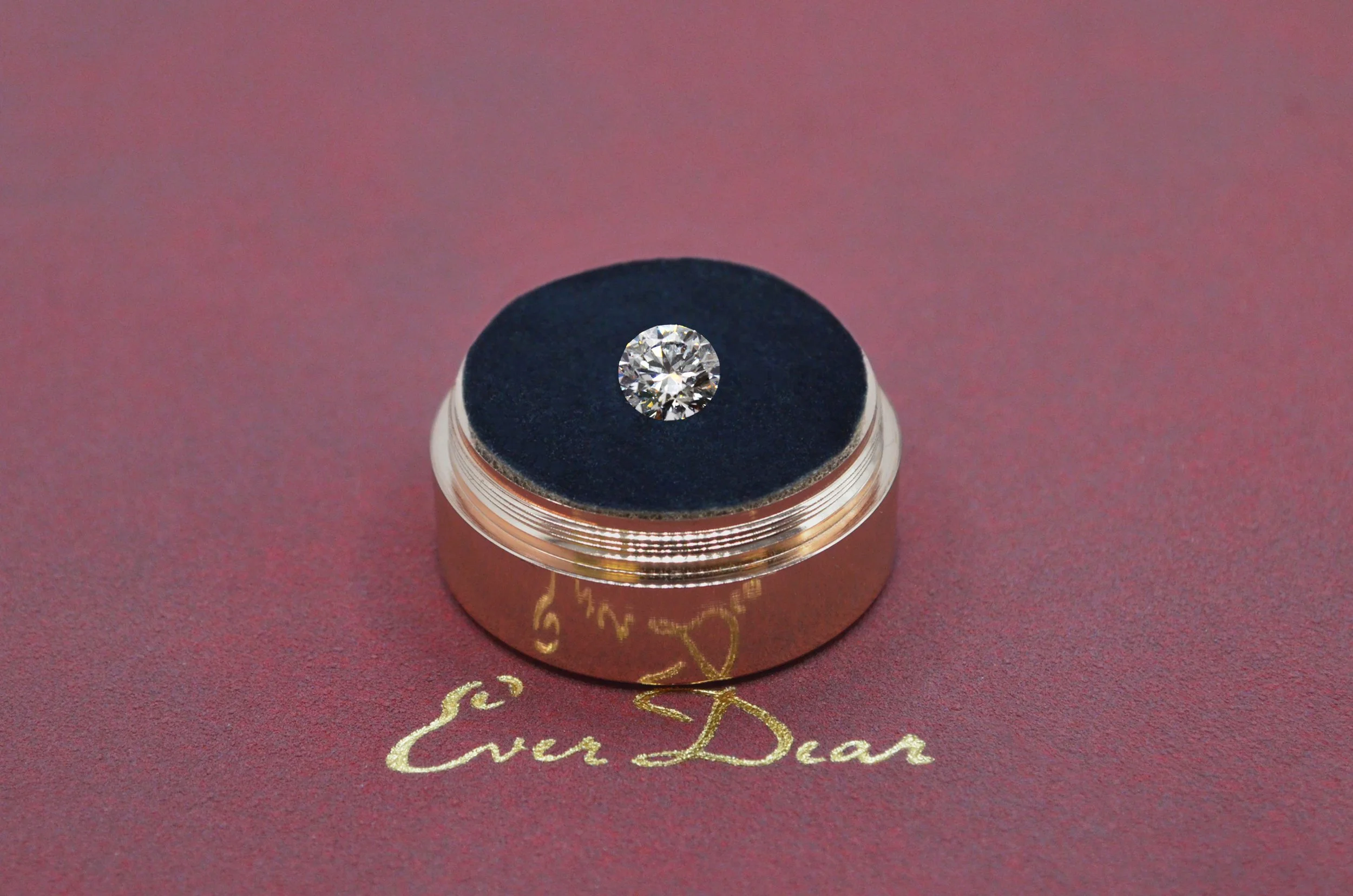
EverDear Memorial Diamond
When ashes sit in an urn, they weigh on the heart. They feel like a task you have not completed. But when a small portion of that carbon is transformed into a real diamond, the feeling completely shifts. It’s no longer a burden on a shelf. It becomes a point of light you can actually wear.
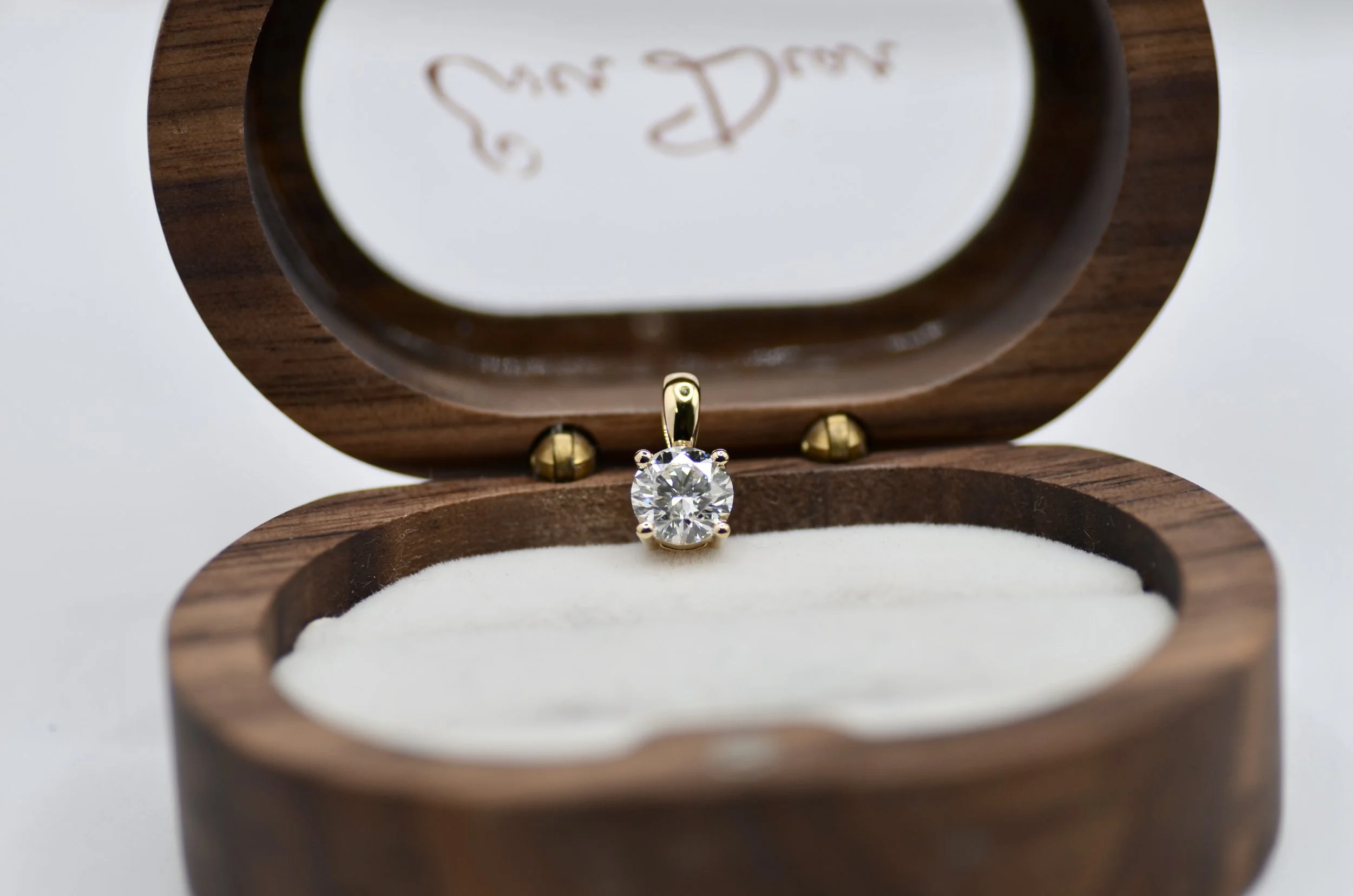
Families often choose to set these diamonds into beautifully crafted memorial jewelry pieces, such as everyday rings or classic necklaces. This provides a way to physically hold their loved one’s hand again, to wear them close to their heart, and to carry them into the future, whether they are walking to the grocery store or moving across the world.
We hear from families who waited years before taking this step, some with ashes on a shelf, others with a lock of hair tucked away in a drawer. They all say something similar: that it felt less like making a decision and more like something gently falling into place.
Many of them also share that one of the most freeing parts of the process was learning that it only requires a small amount of ashes or hair. It meant they could finally scatter or bury the rest without any guilt or fear of letting go completely.
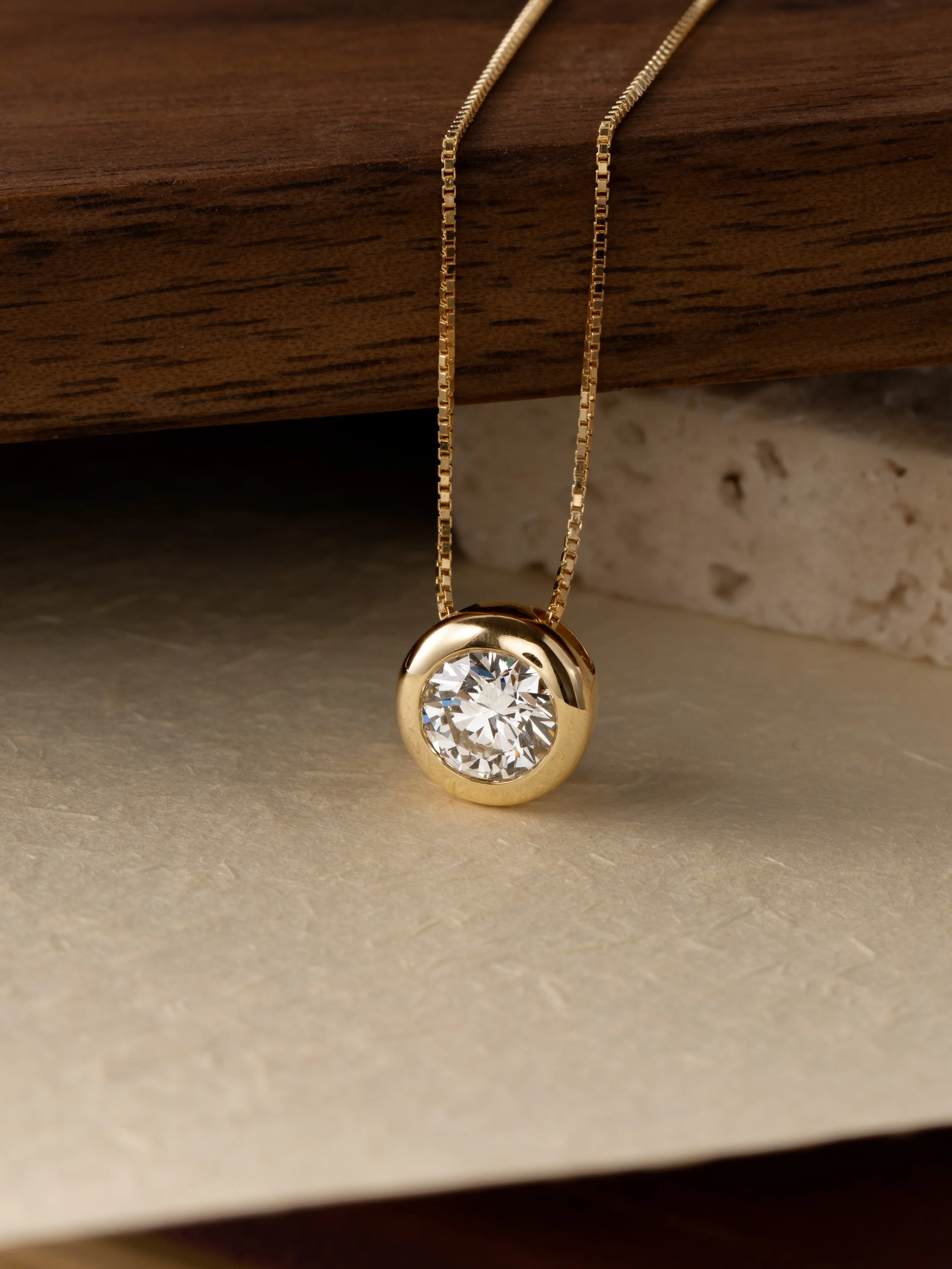
EverDear Cremation Diamond Necklace
A Reminder for Your Journey
If you are currently looking at a quiet urn on your shelf, please treat yourself with deep compassion. Grief is a slow and deeply personal transformation. Take all the time you need to heal. Take all the time you need to decide.
Whether you eventually scatter them on a mountain, plant them as an oak tree, or turn them into a diamond that catches the morning light, the choice will be the right one because it will be made with love. And love, above all else, has no expiration date.