How Much Does It Cost to Turn Ashes Into Diamonds? 2026 Price Guide and Keepsake Comparison
By Nina H., writer at EverDear.
Key Takeaways
An EverDear memorial diamond starts at $995 for a 0.10 ct stone. A 1.0 ct diamond runs roughly $5,700 to $9,000, depending on color. The biggest price drivers are carat size and color.
Color changes the price at every size: colorless diamonds have the lowest starting price, and pink diamonds cost the most. See the full carat-by-carat table below.
Compared to other cremation keepsakes, a memorial diamond is the largest upfront investment among wearable options, but it's a one-time cost for a stone that's permanent, portable, and certified as a real diamond.
More affordable keepsakes exist: cremation jewelry starts around $30, urns from $50, and glass or fingerprint jewelry from $125. Many families combine more than one to serve different needs and budgets.
A memorial diamond is one of the very few keepsakes that can be made from a living loved one's or pet's hair (fingerprint jewelry is another). Most options on this list require ashes.
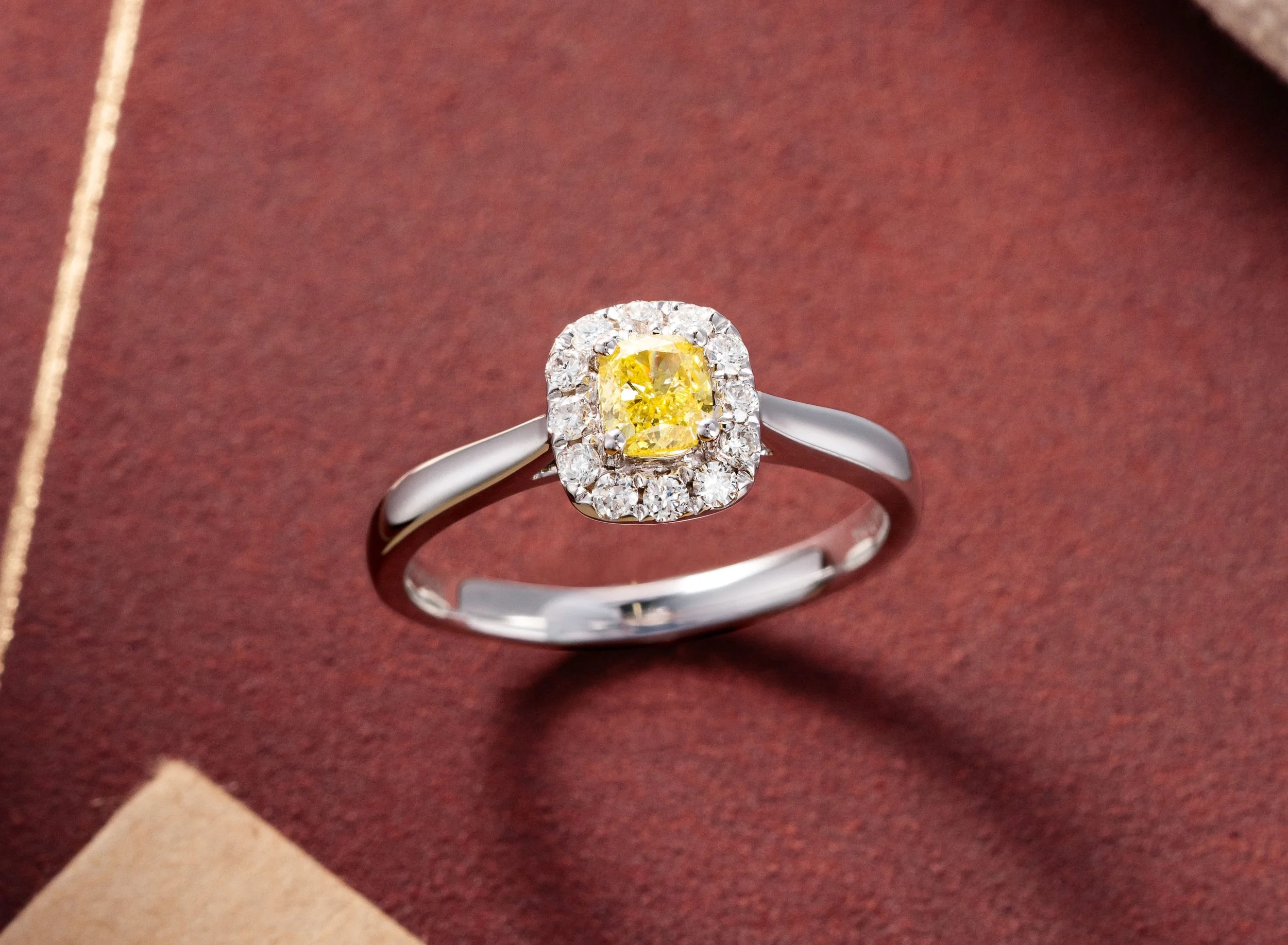
How much does it cost to turn ashes into diamonds? At EverDear, prices start at $995 for a small stone (0.10 to 0.19 ct) and range up to $74,000 for the largest sizes (6.29 ct). Most families choose stones under 0.5 ct, which run up to $3,600. Across the industry, ashes to diamonds cost varies widely by provider: most start between $1,400 and $3,800, though at least one advertises small stones from $495.
With more than 60% of Americans now choosing cremation, according to the National Funeral Directors Association, more people are weighing these choices than ever before. We've tried to earn your trust here by being transparent about our own pricing and honest about where a diamond isn't the right fit.
In this article
How much does it cost to turn ashes into a diamond?
What affects the cost of a memorial diamond?
How does memorial diamond cost compare to other options for ashes?
How do the options compare beyond price?
What should you look for in a memorial diamond provider?
How much does it cost to turn ashes into a diamond?
The table below shows our 2026 cremation diamond pricing for round brilliant cut diamonds. Other cuts (heart, emerald, oval, etc.) carry a surcharge of 10% to 35%, depending on the shape.
| Carat range | Price range (across all seven colors) |
|---|---|
| 0.10 to 0.19 ct | $995 to $1,195 (Colorless & Yellow only) |
| 0.25 to 0.29 ct | $1,200 to $2,200 |
| 0.35 to 0.45 ct | $2,400 to $3,600 |
| 0.50 to 0.69 ct | $2,800 to $4,000 |
| 0.80 to 0.89 ct | $4,500 to $7,000 |
| 1.00 to 1.29 ct | $5,700 to $9,000 |
| 1.50 to 1.79 ct | $8,700 to $13,000 |
| 2.00 to 2.29 ct | $11,000 to $15,000 |
| 3.00 to 3.29 ct | $23,000 to $26,500 |
| 4.00 to 4.29 ct | $37,000 to $42,000 |
| 5.00 to 5.29 ct | $51,000 to $58,000 |
| 6.00 to 6.29 ct | $66,000 to $74,000 |
Within each carat range, the price is determined by color. Colorless diamonds have the lowest starting price ($995 for the smallest size), and pink diamonds cost the most at every size. Yellow, blue, green, red, and black fall in between. For the full color-by-color breakdown, see our memorial diamond pricing page.
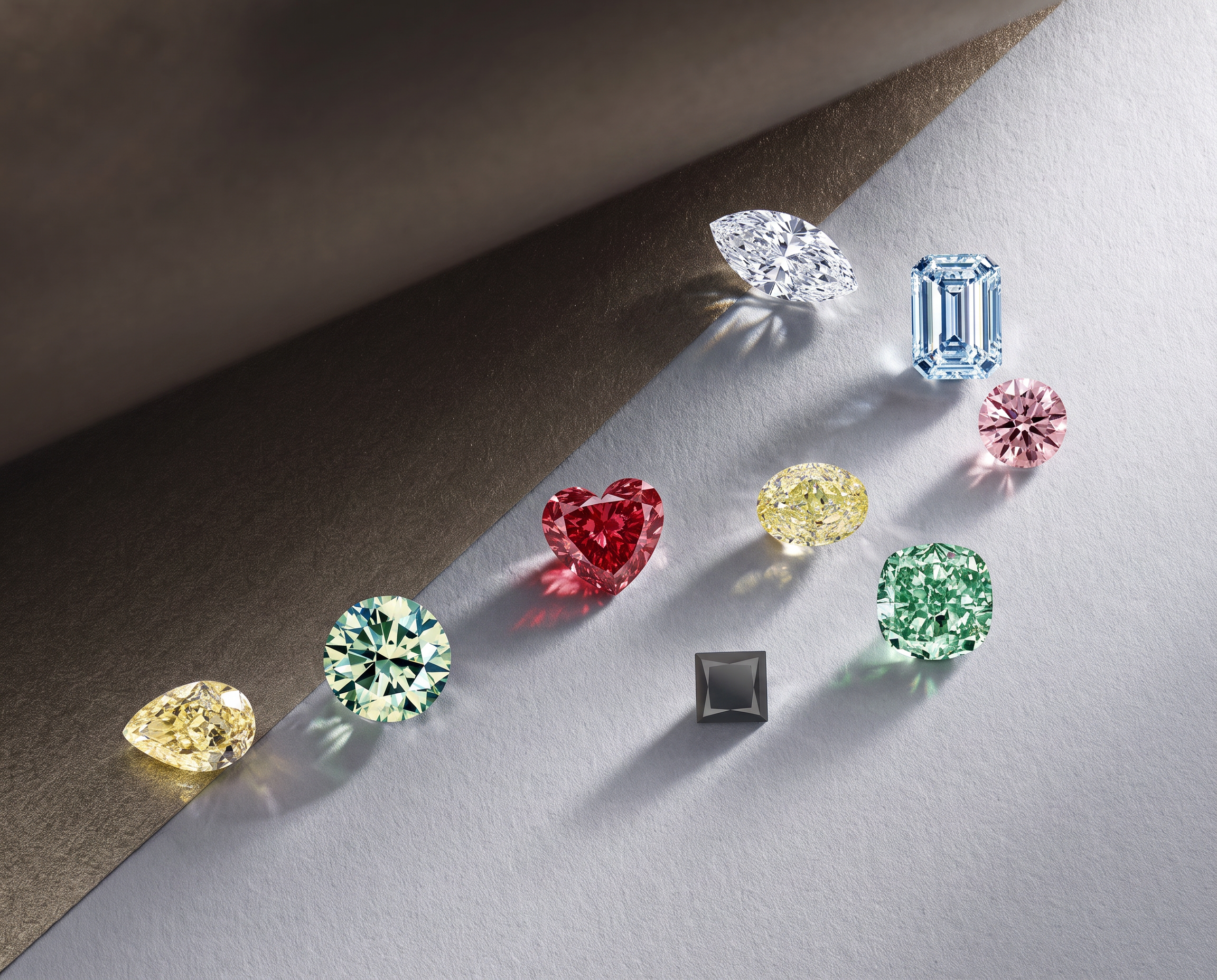
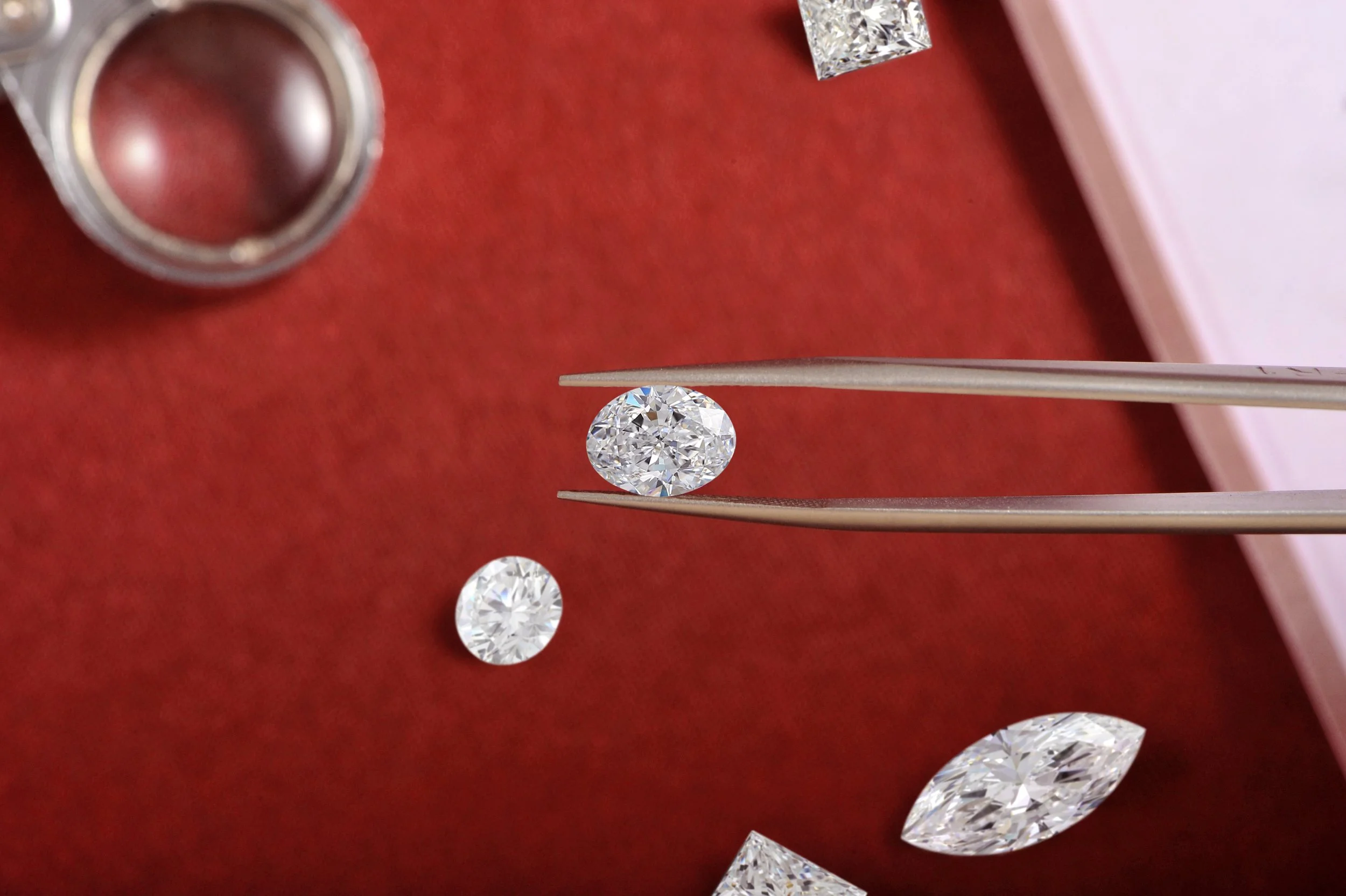
All seven of our colors, in a handful of our cuts.
What's included in our price
Carbon extraction and purification from your loved one's ashes or hair
Complete diamond growth with our HPHT technology
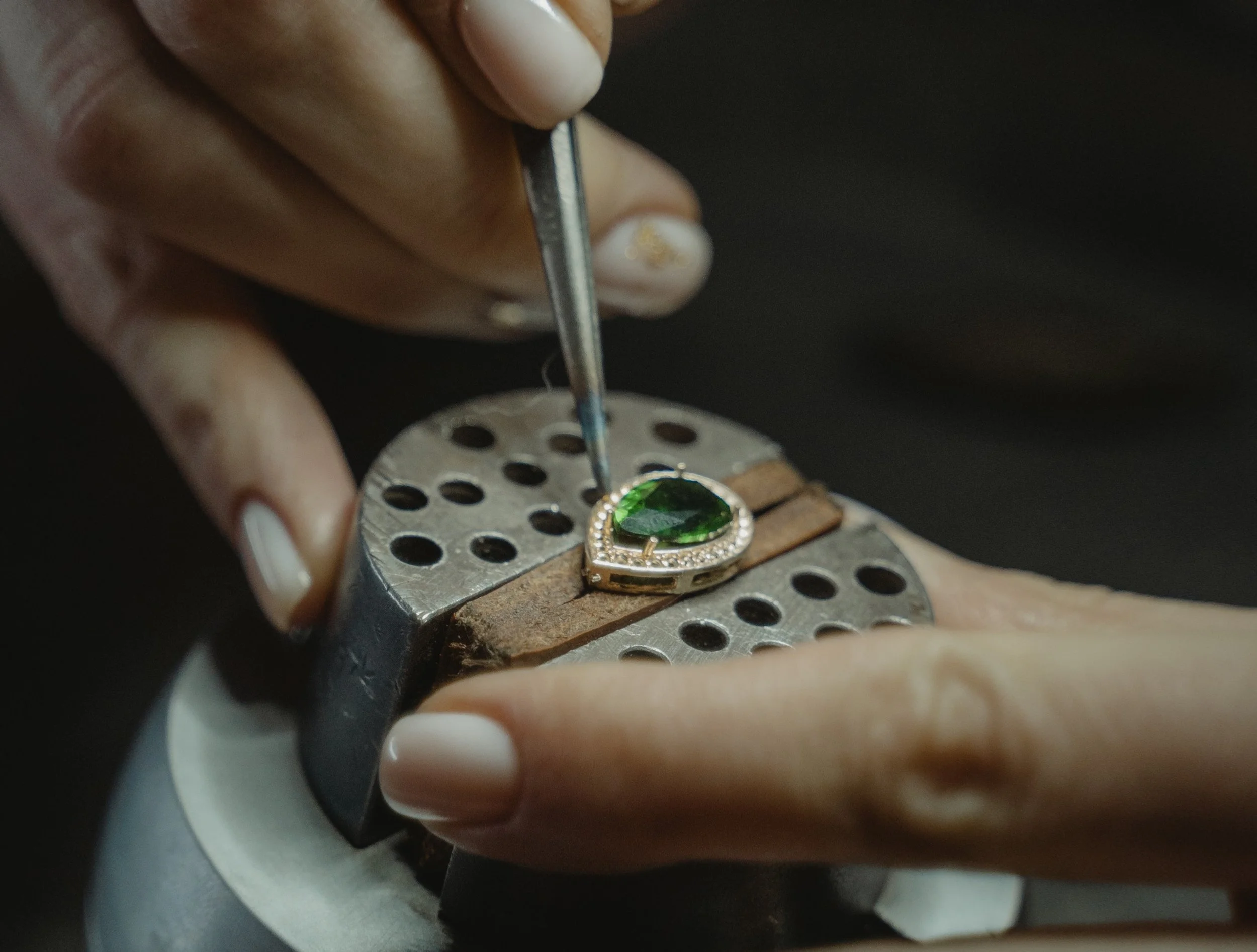
Expert cutting and polishing (round brilliant cut included in the base price)
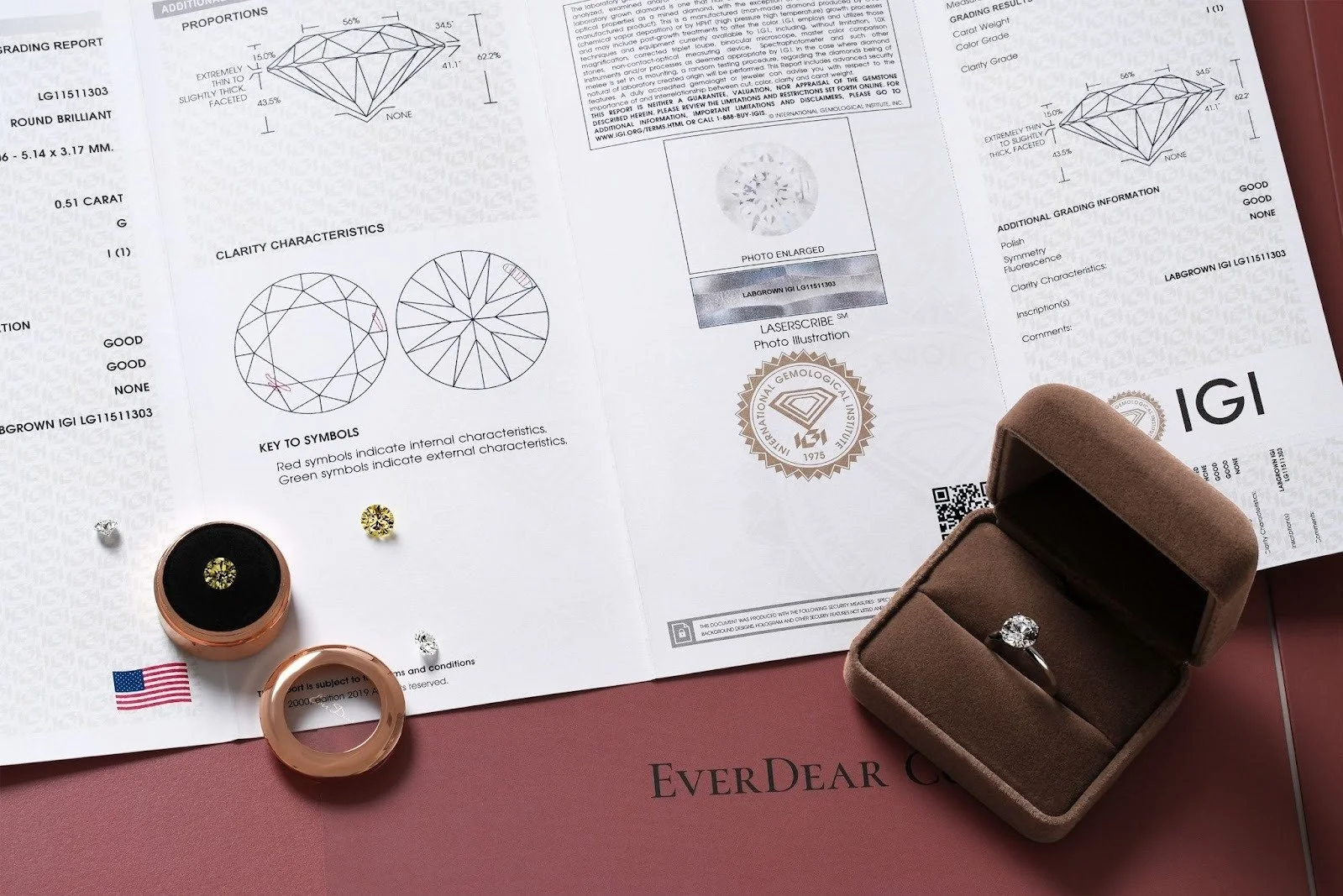
An EverDear Certificate of Authenticity guaranteeing your diamond's origin and quality
Premium gift packaging
A dedicated personal consultant from start to finish
Insured worldwide shipping
What's priced separately
Welcome Kit ($85, deducted from your first payment) for safely sending your loved one's ashes or hair
Specialty cut shapes beyond round brilliant
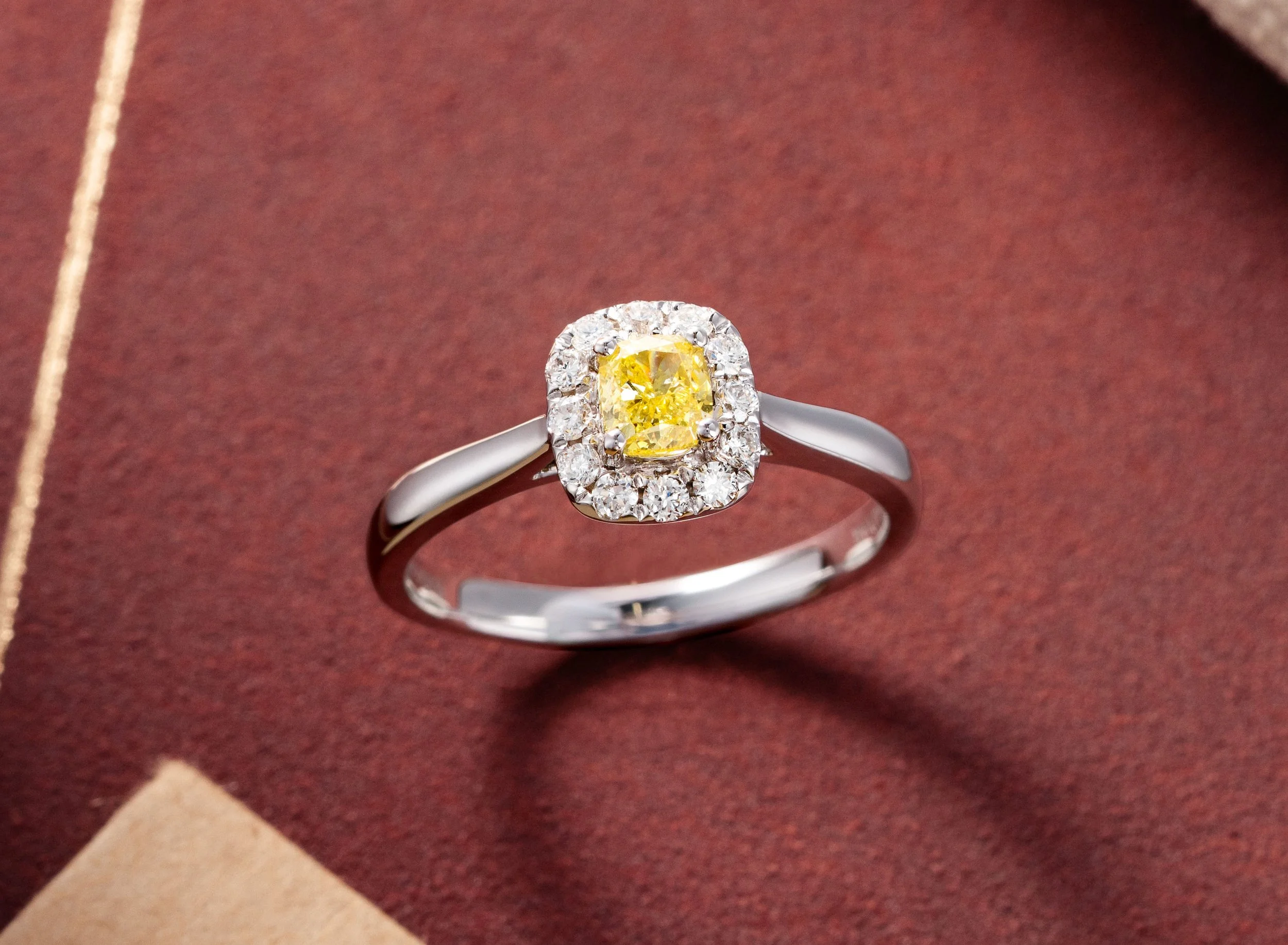
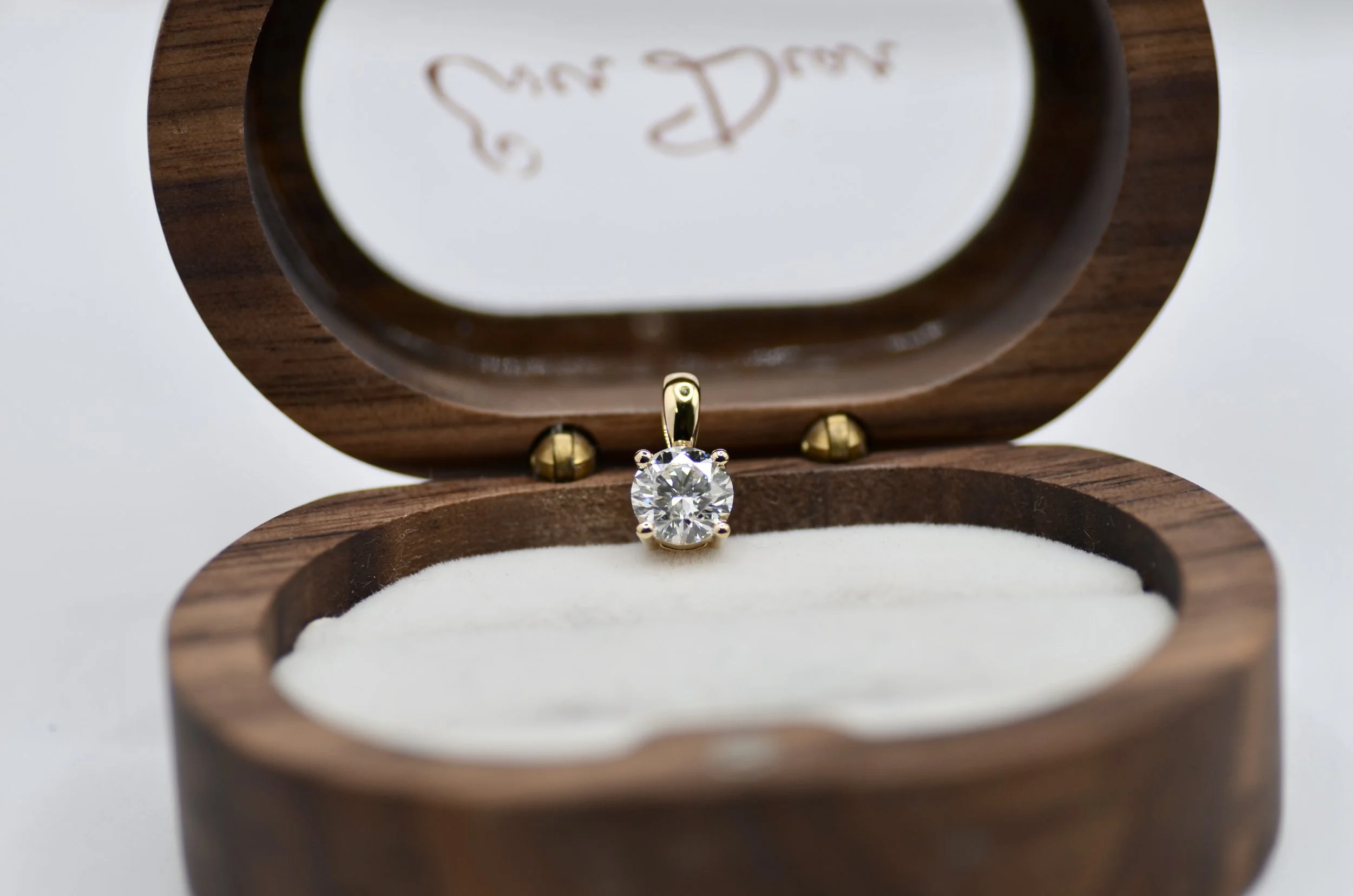
Jewelry settings: rings, pendants, lockets, earrings, and bracelets
Laser inscription ($100, waived if you certify with IGI)
Submitting both ashes and hair together as the carbon source ($95 surcharge)
Optional third-party IGI certification ($250)
What affects the cost of a memorial diamond?
Three factors account for nearly all the price variation, and they'll be familiar if you've read about the 4Cs of diamonds, the grading language jewelers use worldwide.
Carat size is the biggest driver. A 1.0 ct diamond costs roughly three to five times more than a 0.5 ct stone of the same color, because larger crystals take longer to grow and require more raw material.
Color determines the range within each carat tier. A diamond's color comes from trace elements controlled during growth: nitrogen produces yellow, boron produces blue, and a stone free of trace elements is colorless. Pink is the most premium: it starts as a yellow diamond and takes an extra 2 to 3 months to convert, and its color is the most complex to control. Colorless was long the priciest color industry-wide, because raw stones naturally grow yellow and needed extra purification to turn white. Our upgraded process grows white raw diamonds directly, and when the production cost dropped, we lowered the price accordingly.
Cut shape adds a surcharge on top of the base price. A round brilliant is the standard cut and carries no surcharge. Specialty cuts like heart, emerald, oval, pear, cushion, and radiant add 10% to 20%. Marquise, trillion, and hexagon add up to 35%.
Clarity doesn't change the price. Most of our memorial diamonds grade VS or VVS, meaning no inclusions are visible without magnification. Larger stones may have slightly more inclusions because natural elements from the ashes or hair can carry through, but clarity isn't a pricing variable in our system.
Another thing that does not affect the cost: whether the diamond is grown from ashes or hair. That includes aquamation ashes.
A note on why our prices run lower than much of the industry: we design and build our own HPHT growing machines rather than buying from third-party suppliers, and every stage is managed and supervised by our Santa Clarita team, from carbon purification to cutting and polishing. That efficiency, spread across orders from families in more than 50 countries, is what keeps the starting price at $995 without compromising quality.
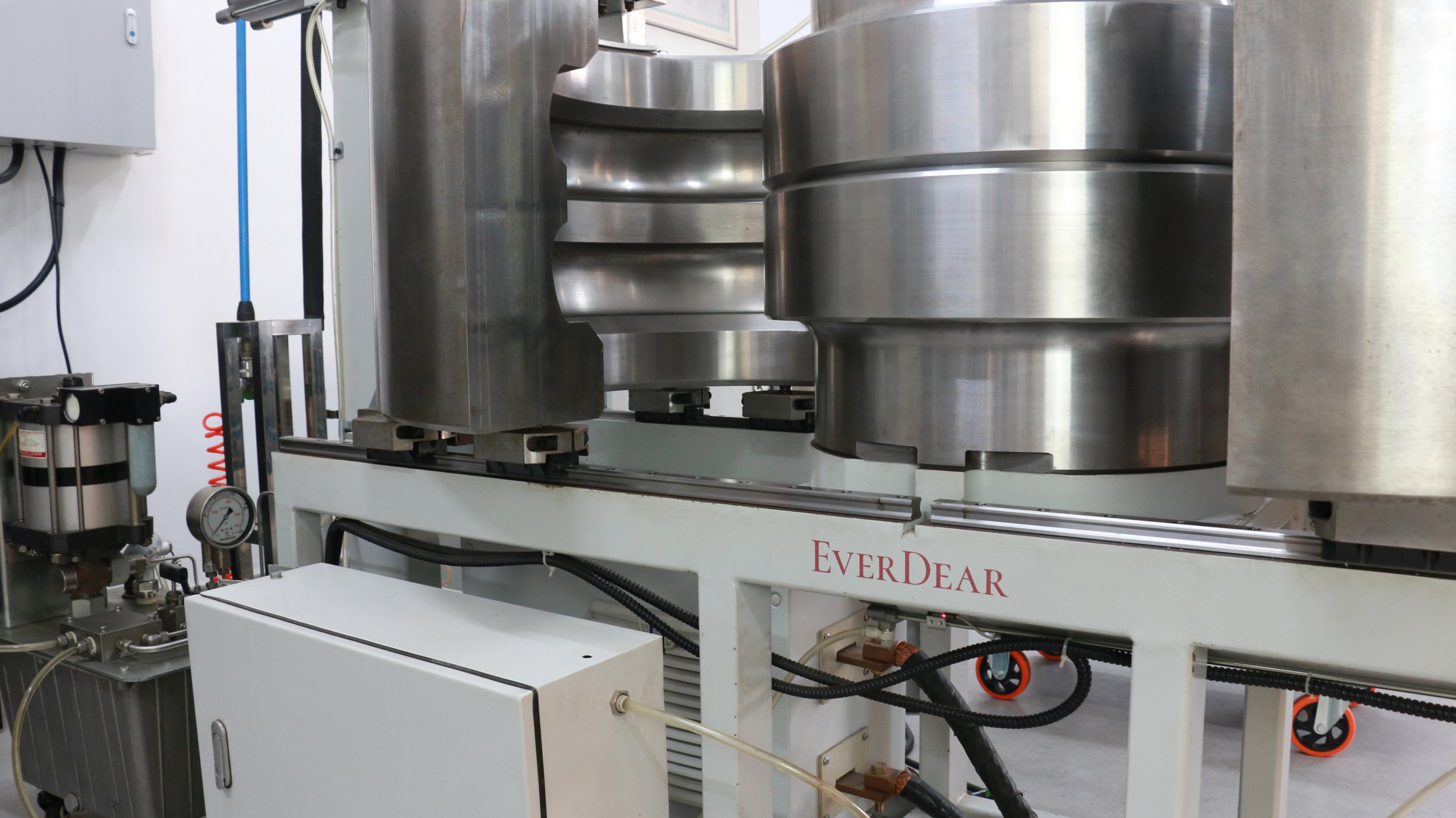
One of EverDear HPHT presses, designed and built by our team.
How does memorial diamond cost compare to other options for ashes?
A memorial diamond isn't the only option after cremation. If you're still deciding what to do with a loved one's ashes, here's what every major category costs in 2026, in US dollars.
A memorial diamond is the priciest of the wearable keepsakes, but its starting price sits below the typical all-in cost of burying the ashes or planting a tree-pod.
-
Typical cost range:
$30 to $300
What to know:
Steel pendants from $30, sterling silver $90 to $250, gold higher. Holds a small amount of ash in a sealed compartment.
-
Typical cost range:
$50 to $300
designer urns $300 to $1,000+
What to know:
Biodegradable scattering urns start around $50. A quality display urn for the home runs $150 to $500.
-
Typical cost range:
$100 to $500 (unattended)
$375 to $1,800+ (attended)
What to know:
Not a keepsake: nothing physical remains. Boat charters and scattering garden fees vary widely by location.
-
Typical cost range:
$125 to $600
What to know:
Glass pieces fuse ash into hand-blown designs. Fingerprint jewelry engraves or molds a print into metal. More personal than fillable jewelry.
-
Typical cost range:
Most orders under 0.5 ct run $995 to $3,600
What to know:
One-time cost with nothing recurring. Runs to $74,000 for the largest sizes (6.29 ct); see the carat-by-carat table above. Can be made from ashes or hair, including from living loved ones and pets.
-
Typical cost range:
$1,000 to $5,000 all in
What to know:
A cremation plot runs $300 to $2,500, or a columbarium niche $500 to $2,000, plus opening and closing fees ($400 to $1,000), the urn, and often a vault. Premium big-city cemeteries can run well past these ranges. Fees can recur.
-
Typical cost range:
$2,000 to $7,000 all in
What to know:
The urn itself is $99 to $465 depending on the system. The full cost includes cremation, the urn system, and planting. Memorial forest plots range from $950 for a community tree to much more for a private one.
How do the options compare beyond price?
Cost is one axis. Here are four others that families tell us matter just as much, sometimes more.
Permanence and heirloom potential
A diamond is one of the hardest materials on earth. It won't degrade, tarnish, crack, or fade. It will look the same in 100 years as it does today, and it can be passed down indefinitely, recut or reset into new jewelry as styles change.
The other options age differently:
Fillable cremation jewelry can corrode or lose its seal over decades of daily wear
Glass jewelry is beautiful but fragile
An urn lasts as long as its material does: metal endures for generations, while ceramic and glass can break
A memorial tree can outlive everyone who plants it, though young trees can be lost to drought, disease, or storms, and access depends on the land staying available
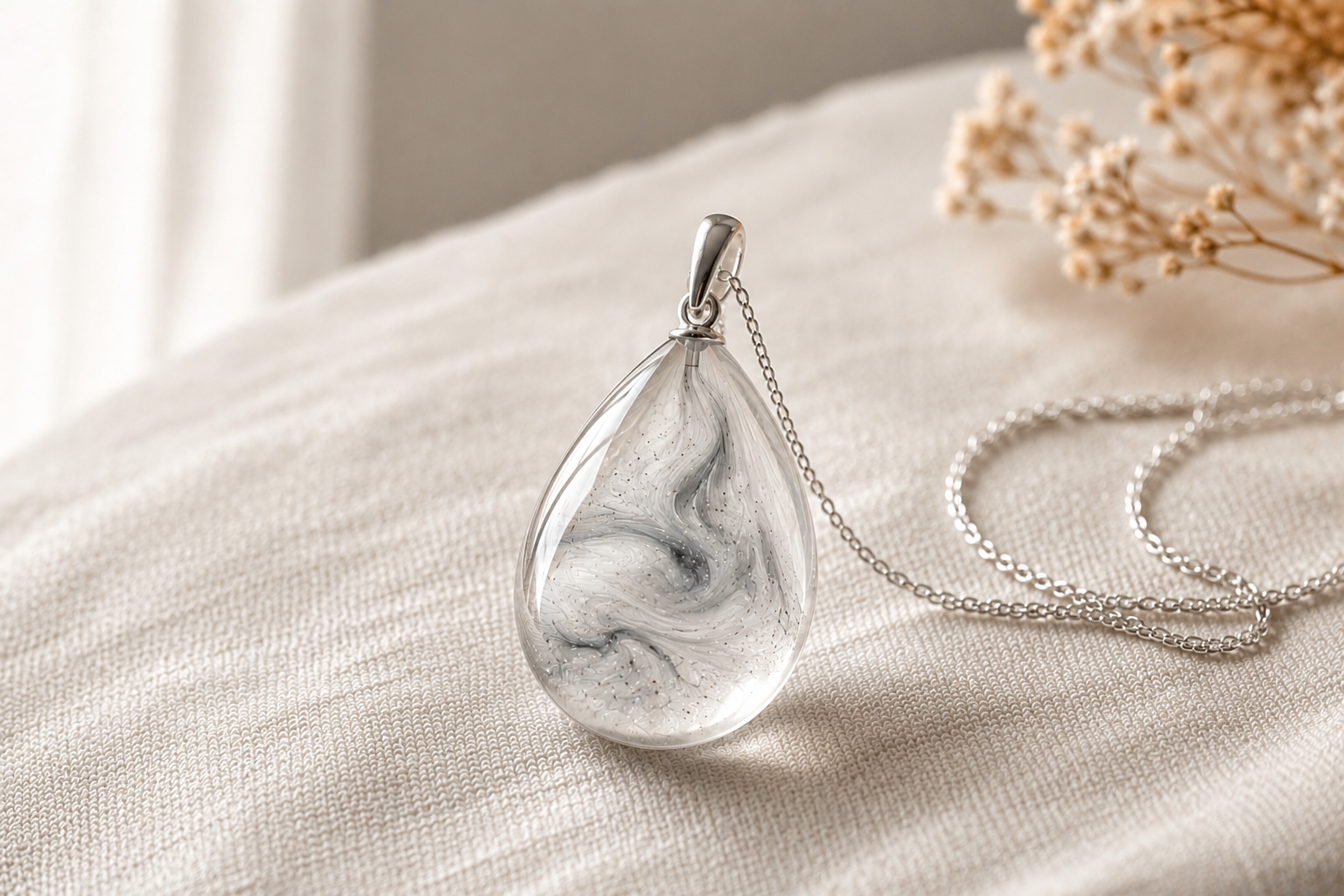
Glass memorial jewelry fuses a small amount of ash directly into the design.
If lasting matters most to you, the diamond is the strongest answer, followed by a well-made urn stored safely. If a living, growing memorial appeals more, the tree's tradeoffs may be worth it.
Portability
A diamond, a pendant, and a ring all travel with you wherever you go. An urn can move, but it's bulky and not something most people carry daily. A tree stays where it was planted. If your family may relocate, a wearable keepsake comes along; a tree-pod memorial doesn't.
Timing
Cremation jewelry and urns are the fastest options, typically available within days to a few weeks. A memorial diamond takes 7 to 12 months, and a tree-pod burial depends on planting season and site availability.
In the early weeks of grief, this matters more than people expect. A simple fillable pendant arrives within days and gives you something to hold. Some families start there and decide on something more permanent later.
Reversibility
Three options change the ashes permanently in very different ways. Scattering releases everything and leaves nothing physical to hold. A tree-pod burial gives the ashes to the tree. A memorial diamond transforms the portion it uses into something lasting you can hold, but the sizes most families choose need only about 50 grams, so the rest of the ashes stay exactly as they were. Urns and fillable jewelry keep ashes as ashes, recoverable at any time.
Some people who scattered everything years ago later wish they'd kept a small portion for a keepsake. It's worth sitting with this question before deciding, and there's no deadline on it. Many families split the difference: scatter some ashes in a place that mattered, keep some in an urn, and set aside a portion or a lock of hair for a diamond they may order months or years later.
Works for living loved ones and pets
Scattering, urns, glass jewelry, and tree-pod burials all require cremated ashes, so they're only available after a loss. A few keepsakes don't wait for one:
A fillable locket can hold a lock of hair
A small keepsake bottle can preserve a pet's fur clipping
Fingerprint jewelry can be made from a living person's print, and paw print jewelry from a pet's
A memorial diamond can be grown from the hair of a living parent, grandparent, partner, child, or pet
The diamond's difference: rather than enclosing the hair, it transforms it into a permanent stone, whether to mark a milestone, keep a connection with a loved one living with a serious illness, or simply have something from a pet while they're still here.
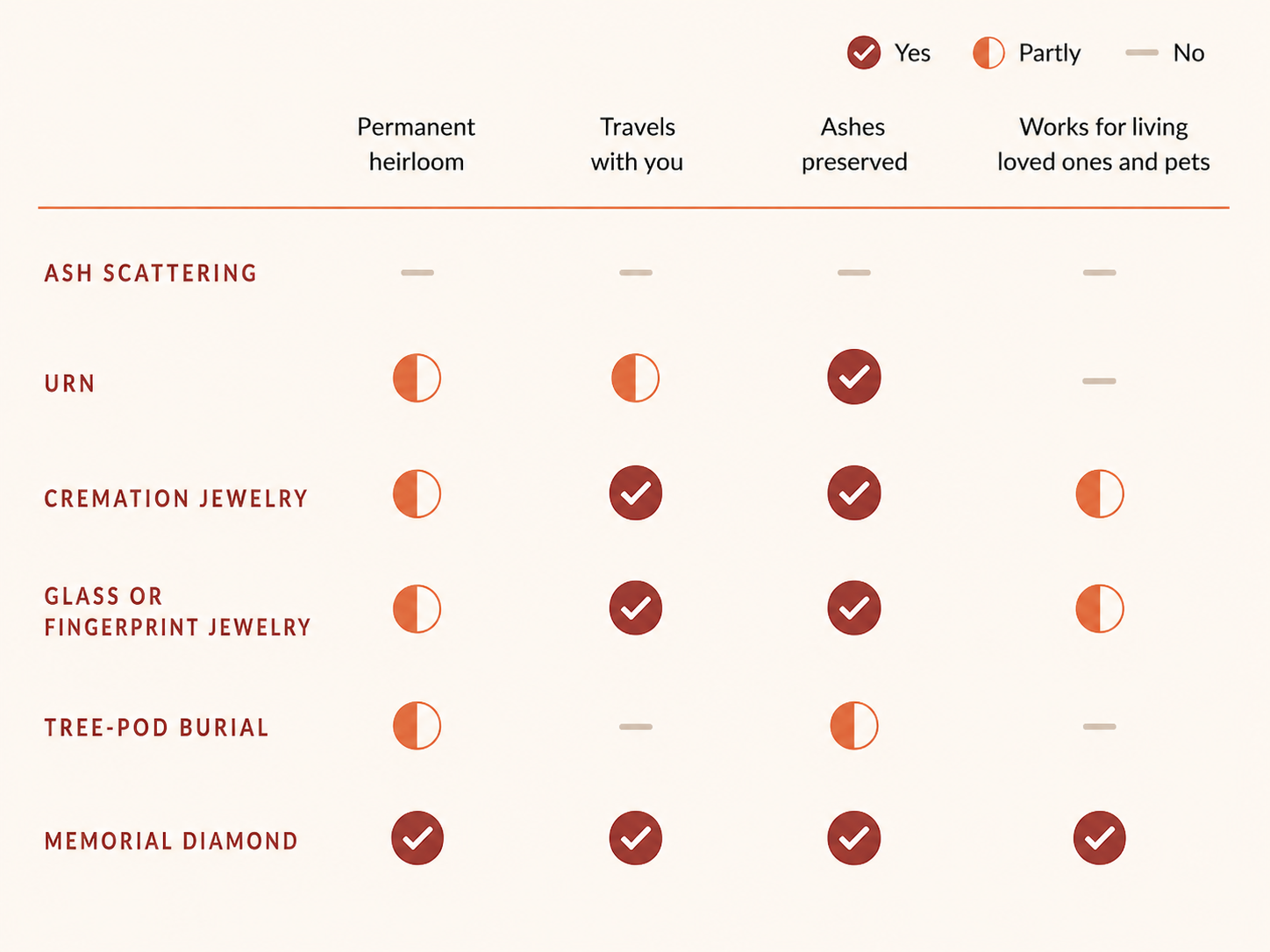
How the options compare beyond price. Partly-filled marks mean it depends on storage, materials, or the land.
What should you look for in a memorial provider?
This applies regardless of which option you choose, but it matters most for the higher-cost ones.
Transparency about what you're getting
Memorial diamond: documentation of the process, a Certificate of Authenticity, and the option for independent certification through a body like IGI
Cremation jewelry: the metal type, whether the seal is permanent, and what happens if the piece is damaged
Tree-pod burial: who owns and maintains the land, and whether the tree is replaced if it doesn't survive
Scattering service: documentation of where and when the scattering took place, ideally with coordinates or photos
Honest pricing with no surprises
The price listed should be the price you pay. Questions worth asking:
Memorial diamond: are settings, certification, and shipping included or extra? (We covered what EverDear includes above.)
Tree-pod burial: what does the advertised urn price leave out? Planting, a memorial forest plot, and site upkeep can turn a $150 urn into a $2,000+ total
Urn in a columbarium: what are the niche fees, and do they recur?
Scattering service: is the quote for attended or unattended scattering? The difference can be several hundred dollars
A company that answers hard questions
If a provider gets uncomfortable when you ask how they verify their process, how they handle your loved one's remains, or what happens if something goes wrong, that tells you something. We wrote an entire article about what skeptics say about cremation diamonds and where they're right, because we think the questions deserve straight answers.
Memorial diamond cost: questions families ask
-
Compared to other wearable cremation keepsakes, yes. A memorial diamond starts at $995, while cremation jewelry starts around $30 and glass or fingerprint pieces run $125 to $600. Compared to a traditional funeral with burial (a median of roughly $8,000 or more in the US, per NFDA statistics), a smaller memorial diamond is often less. Whether a cremation diamond is worth it comes down to what you're getting for the cost: a certified, permanent gemstone made from a loved one's carbon, set into jewelry you can wear and pass down. Plenty of families decide it is; plenty of others find a simpler keepsake serves the same emotional need at a fraction of the price, and that's a perfectly good answer too.
-
EverDear's prices for turning ashes into a diamond start at $995 for a 0.10 to 0.19 ct stone and go up to $74,000 for the largest sizes (6.29 ct). Most families choose stones under 0.5 ct, which run $995 to $3,600. The cost is the same whether you use ashes or hair. Color and carat size are the two biggest factors. See the full pricing table earlier in this article, or visit our pricing page for details by color.
-
Yes, and many families do. A typical cremation produces enough ashes for several keepsakes. You might scatter a portion, keep some in an urn, and use a small amount for a memorial diamond: 50 grams, about 2 tablespoons, covers the stones most families choose (under 0.5 ct). Setting aside a portion now and deciding later is always an option. And if your family wants several diamonds from the same ashes, our Family Plan takes 5% to 15% off every diamond in a set of two or more (0.5 ct and up, same color, size, and carbon source), so siblings or children can each have their own.
-
Yes, a few. Choosing an uncut, rough diamond saves 25% off the price of a round diamond, and some families love the natural look. The Family Plan (above) takes up to 15% off every diamond in a set. Colorless is the most affordable color, and smaller carat sizes cost significantly less than larger ones. US customers can also spread the cost through Affirm financing.
-
The same as for a person: pet diamonds start at $995 and follow the same pricing table above. The creation process is identical, and because diamonds can be grown from hair or fur, you can create one for a living pet, too, no ashes needed. A small lock of fur, about 2 grams, is enough.
-
There's no deadline. Ashes don't expire or degrade in storage, and a lock of hair can be kept safely for years. Many families take months or even years before choosing a keepsake, and that's perfectly fine. The important thing is that you feel settled in the decision, not rushed into it.
Our thoughts on choosing a keepsake
We make memorial diamonds, so it would be easy to write an article that makes everything else look like a lesser choice. We haven't done that because we don't believe it's true. A $40 pendant that a grieving parent wears every day is no less meaningful than a diamond. A tree that grows from ashes in a family's backyard holds no less love than a stone. These things carry what people give them, and no price tag changes that.
What a memorial diamond offers is the combination: permanence, portability, and a physical connection to someone you love, together in a single stone grown from the carbon they left behind or the hair they're still growing. For some families, that's exactly what they need. For others, it isn't, and the right keepsake is something simpler, faster, or less expensive. Both answers are good ones.
If you're still weighing your options, we're here whenever you're ready to talk. Take whatever time you need; our answers will keep. And if the math points you toward a diamond, order a memorial diamond from EverDear at your own pace.